



















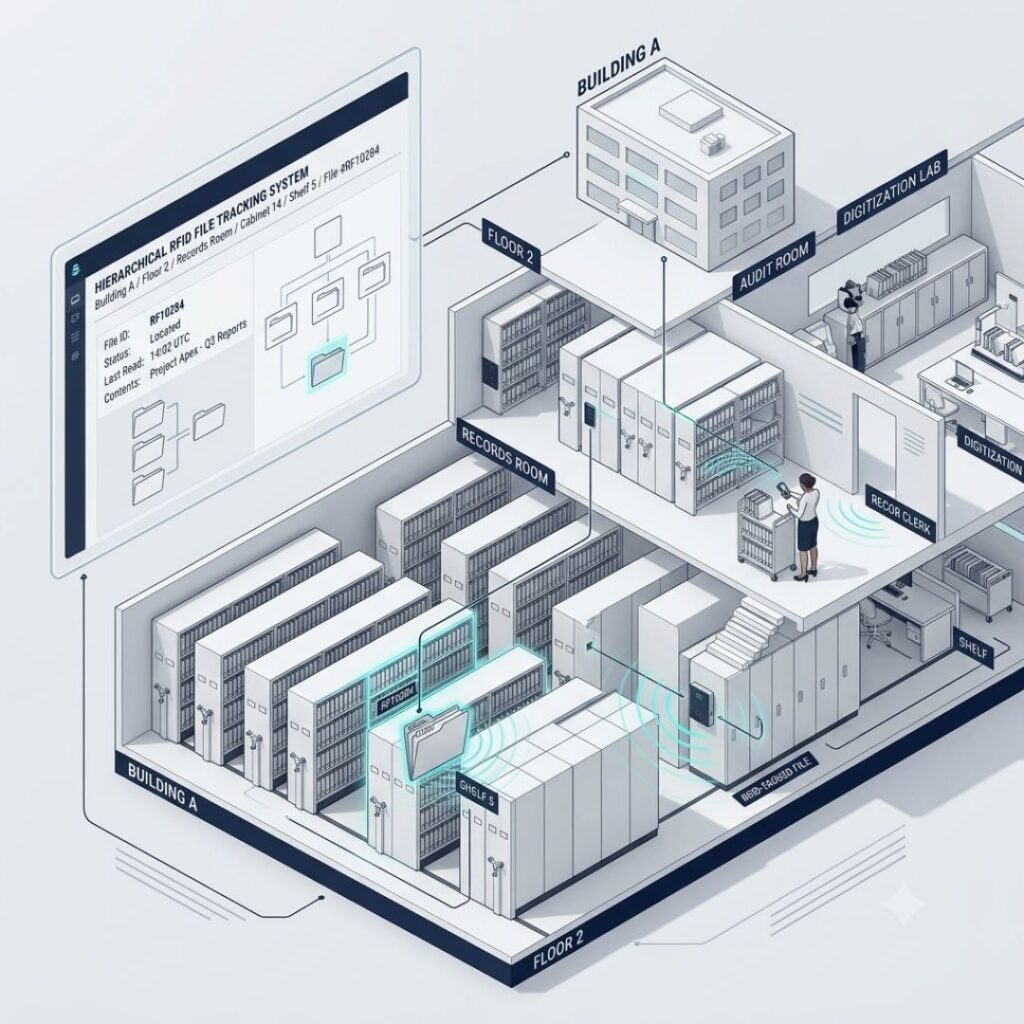
Complete Visibility. Zero Guesswork.

RFID File Tracking & Document Management System - Industry Standard Since 2006

Join the hundreds of facilities securing their operations with our proven, enterprise-grade records management software.

File Tracking Software Banner

RFID technology has evolved and it is now increasingly important in RFID file tracking systems within organisations.

  • How does an RFID file tracking system function in enterprises?
  • How do RFID scanners and readers track files?

These are typical questions asked by organisations seeking more control over their paper files. In the past, RFID was primarily used for identification and basic tracking of assets. Now it enables quicker and more accurate document tracking in businesses and organisations.

Moreover, modern systems now include IoT connectivity, cloud integration, and smart analytics for improved visibility. RFID tracking solutions have recently begun to be adopted across many industries, and are being marketed as “new” technology for document management. However, IoTFileTracker has been operating in this domain for years, with proven deployment across established government and enterprise environments, while many systems are still in early rollout stages. It offers reliable and proven performance for structured file management.

What is RFID Technology and how does it work

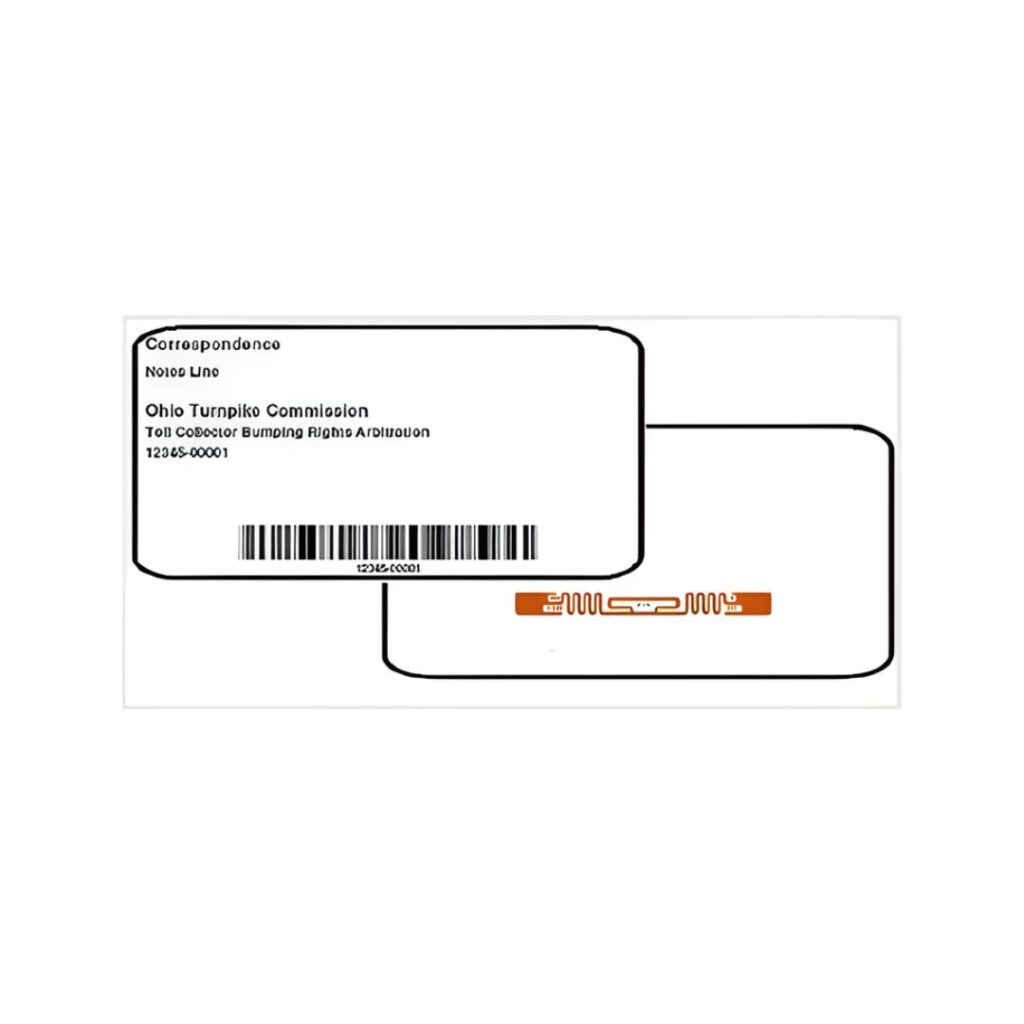
  • RFID technology (Radio Frequency Identification) is a wireless technology that uses radio waves to identify and track objects. It involves readers (interrogators) and tags (inlays), with radio frequency identification tags being placed on files or assets. These tags contain simple data and are able to communicate with RFID antennas, which aids in capturing information automatically.

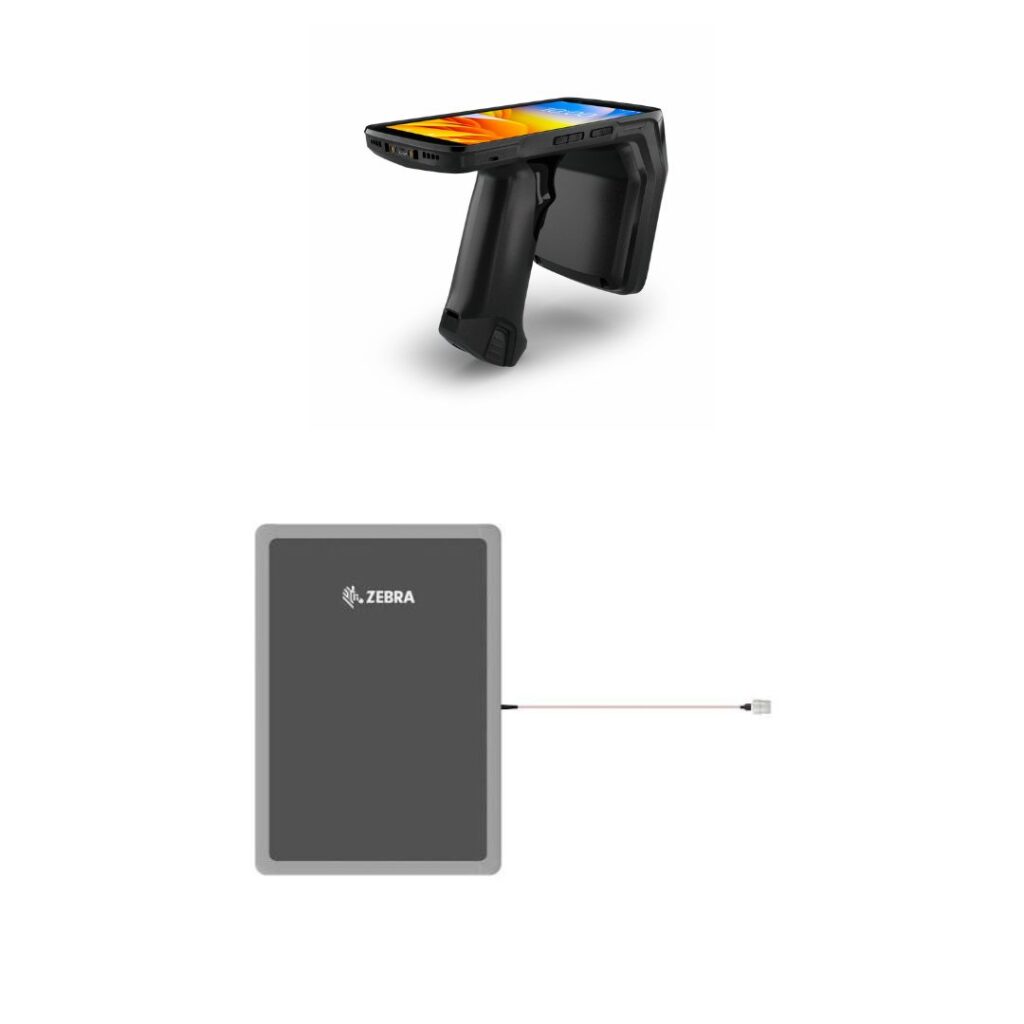
  • RFID systems have evolved with advanced rfid tag features including unique ID storage, and durability. Similarly, rfid reader features enable fast data capture, long-range scanning, and integration with software systems. Devices like Mobile RFID scanners allow users to track and locate files on the move with high accuracy. This makes tracking simple and reduces dependency on manual processes.

  • In many organizations, documents are the most critical assets and need proper tracking. A document tracking system using RFID helps in managing files more effectively. With RFID Tags for File Tracking, every file’s location and status can be known without checking manually. File retrieval becomes quicker, and the chances of losing sensitive documents are reduced. Overall, RFID File Tracking Technology helps maintain better control and visibility in daily operations.
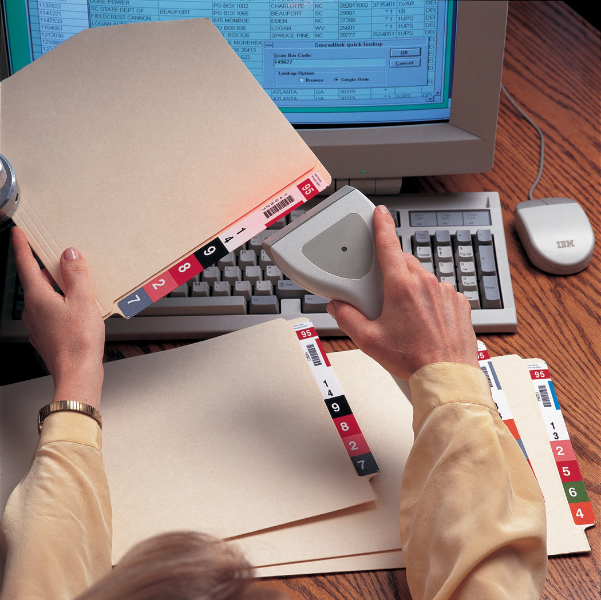
File Scanning Barcode Scanner
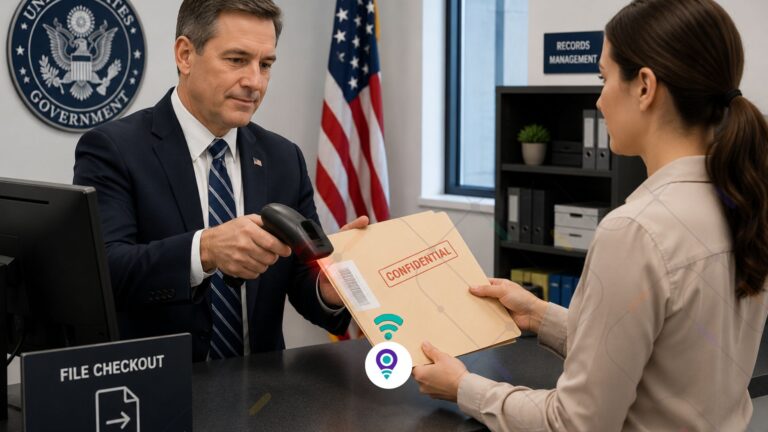
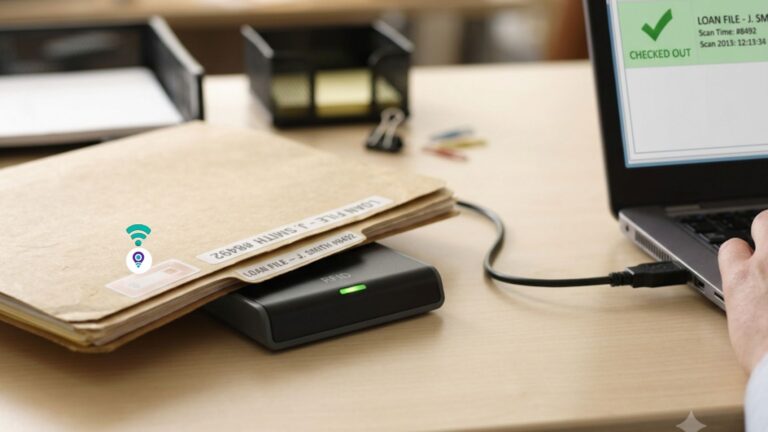
RFID Check-in and Check-out
RFID File Tracking
Passive Tracking at File-room Doorways
RFID File tracking
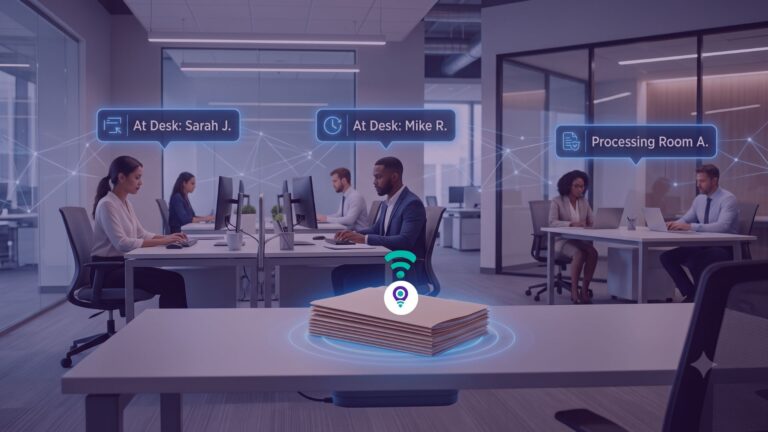
Real-time Tracking Throughout Facilities
Inventory Files in Circulation
Inventory Files-in-Circulation to Update Locations
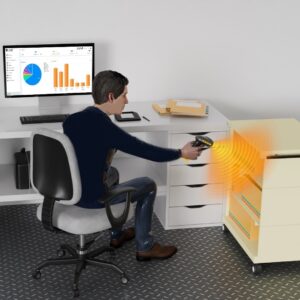
Desktop RFID Reader
Rapidly Locate Needed and Missing Files
Prevent Unauthorized Access
Prevent unauthorized removal of files
RFID File Tracking
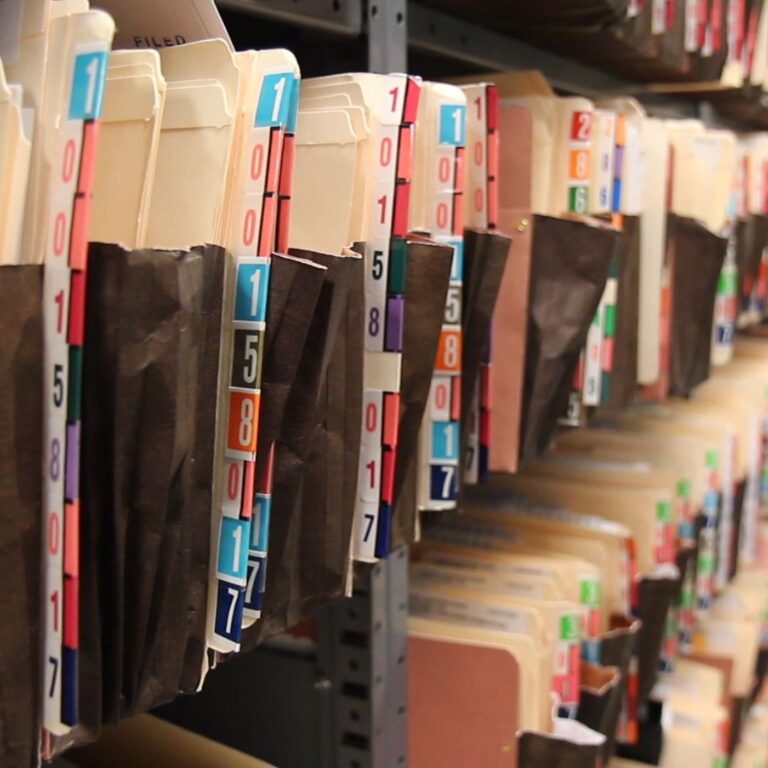
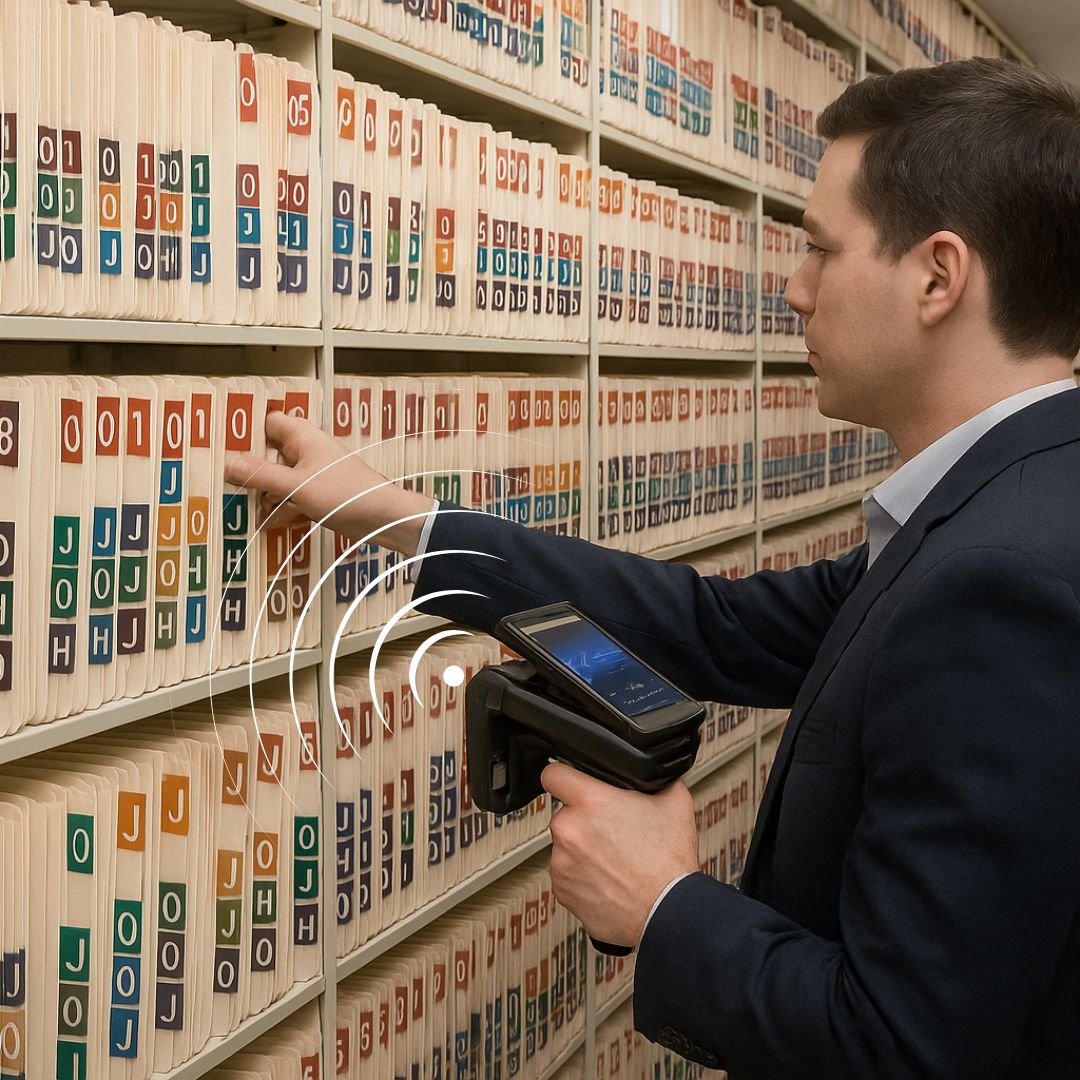
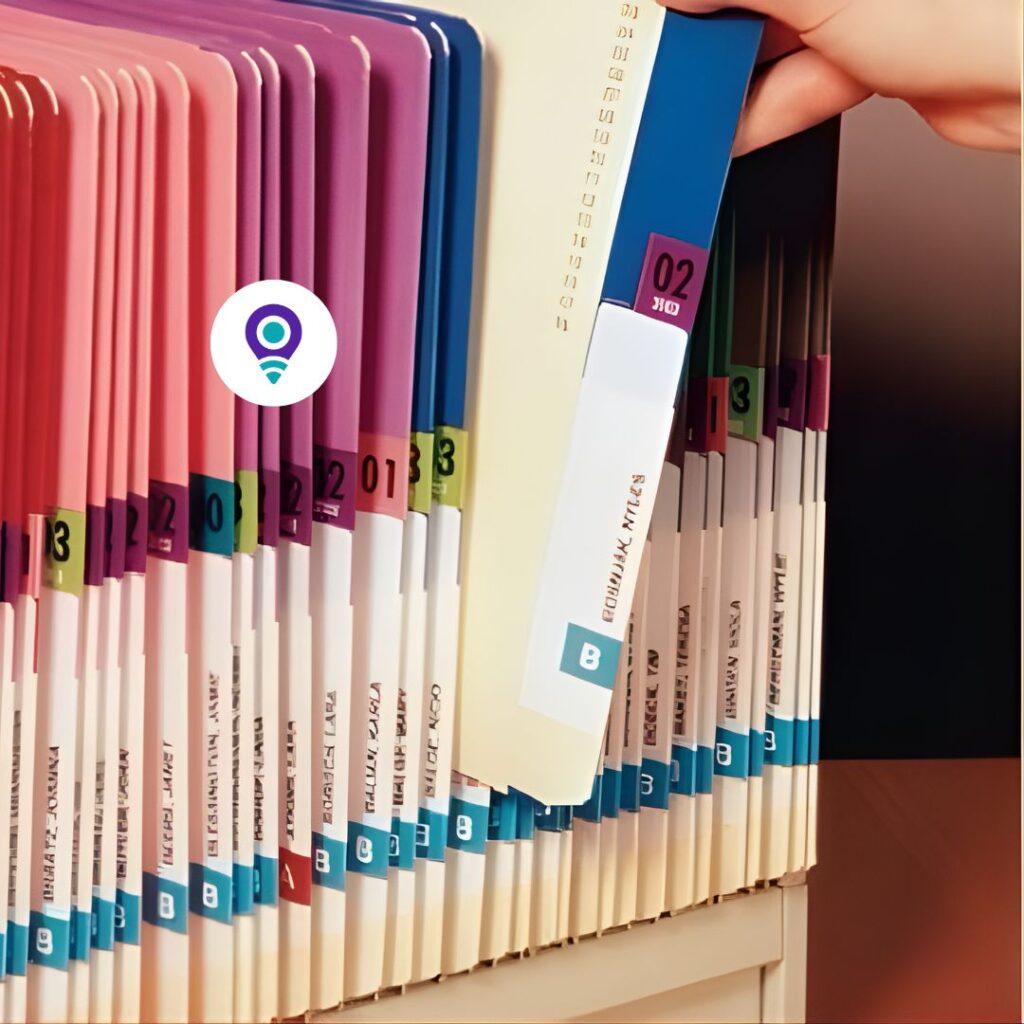
Color Coded Files

How RFID File Tracking System works in Document Management?

  • The RFID File Tracking system or RFID document tracking system is commonly implemented by companies to enhance document control and processes. In many companies, Manual File Circulation and Physical File Tracking can result in delays, misplacement, and a lack of file visibility. These issues directly impact productivity and document security.


  • With a modern RFID Based File Tracking System for Document Management & Movement Monitoring, businesses can manage file and archives tracking in a more structured way. Confidential documents, file folders, and archives are tagged with RFID file tracking tags, allowing automatic identification as they move through different areas.


  • This enables real-time visibility into file locations or current tracking status, helping teams know exactly where a file is at any moment. It also improves monitoring file movement between departments, reducing confusion and delays in handling documents.


  • The system also helps prevent risks such as unauthorized file access and removal as well as unauthorized file movements, improving security for sensitive information. Real-time tracking of file movement throughout the premises helps with document control and responsibility.


  • In addition, personnel can be assigned RFID ID cards, which further supports accurate tracking and responsibility during file handling. Overall, RFID Based File Tracking improves efficiency, security, and accuracy in document management processes, making it a reliable solution for modern businesses.
rfid doorway
Track File Automatcally

If Files Move, We Track It. Automatically.

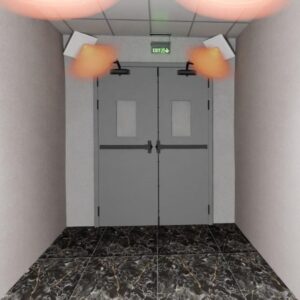
Passive Tracking at File Room Doorways

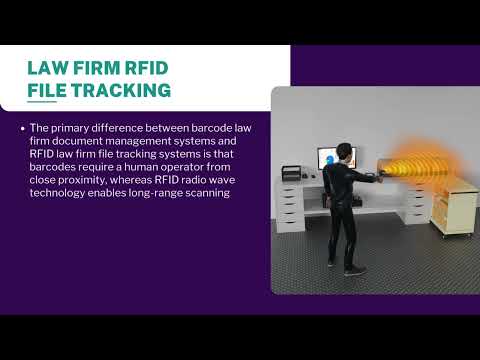
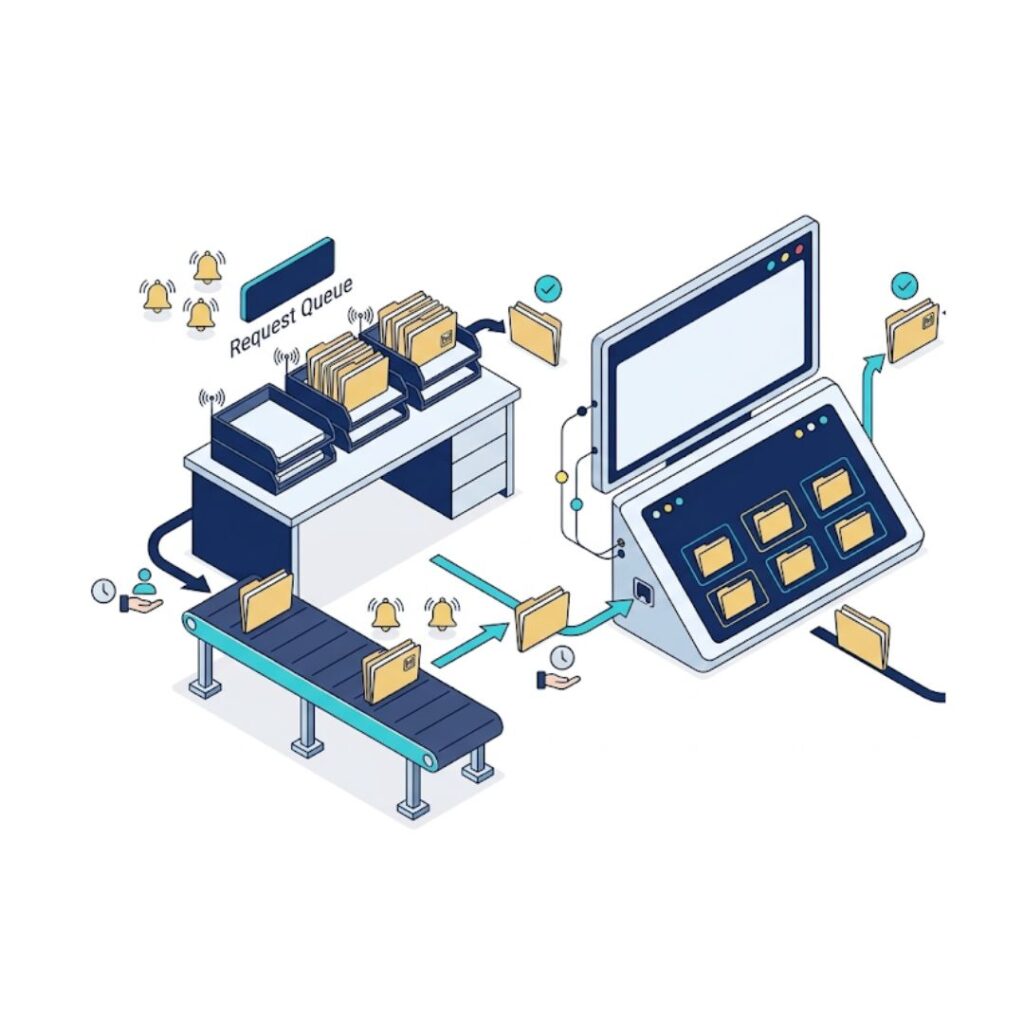
True automation is about tracking without thinking. In traditional systems, record accuracy depends entirely on a human remembering to scan a barcode or sign a logbook. If they forget, the system fails, making Automated file circulation tracking difficult to achieve.

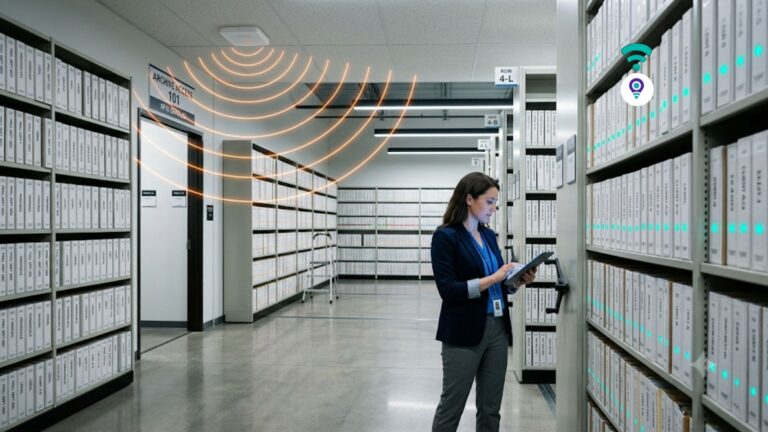
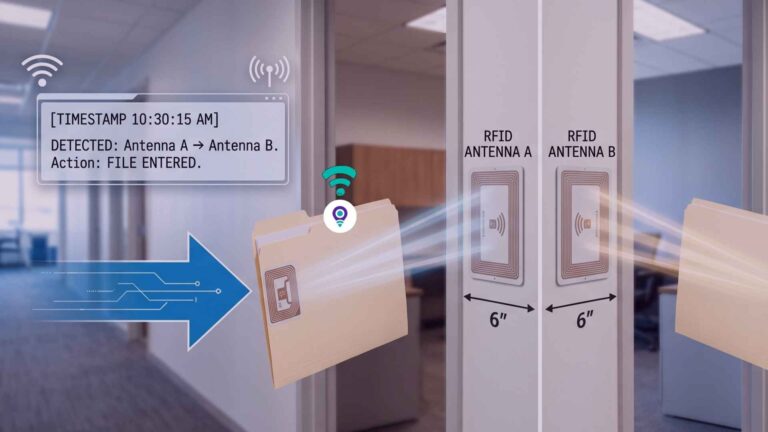
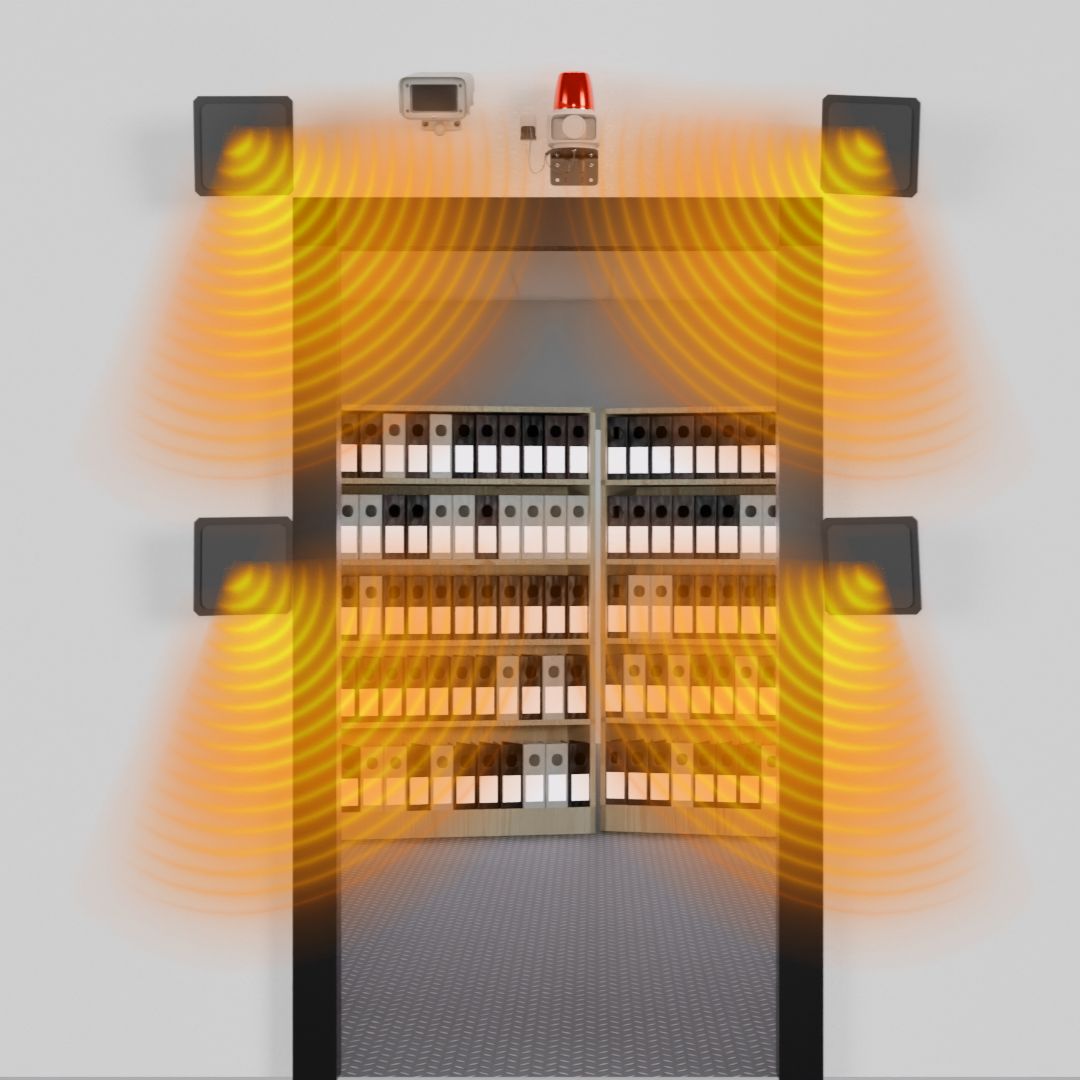
IoTFileTracker advanced RFID File Management System eliminates human error by utilizing “Passive” RFID technology. It enables Bulk File Movement Tracking with RFID Tags, allowing multiple files to be tracked at once without manual intervention. We install sleek, unobtrusive RFID antennas at key transition points in your facility—such as file room doorways, storage exits, and corridor intersections. This setup ensures Passive Tracking at File Room Doorways, capturing file movement automatically as files pass through. These antennas create an “always-on” surveillance network that monitors the movement of your physical assets.

Automated File Tracking

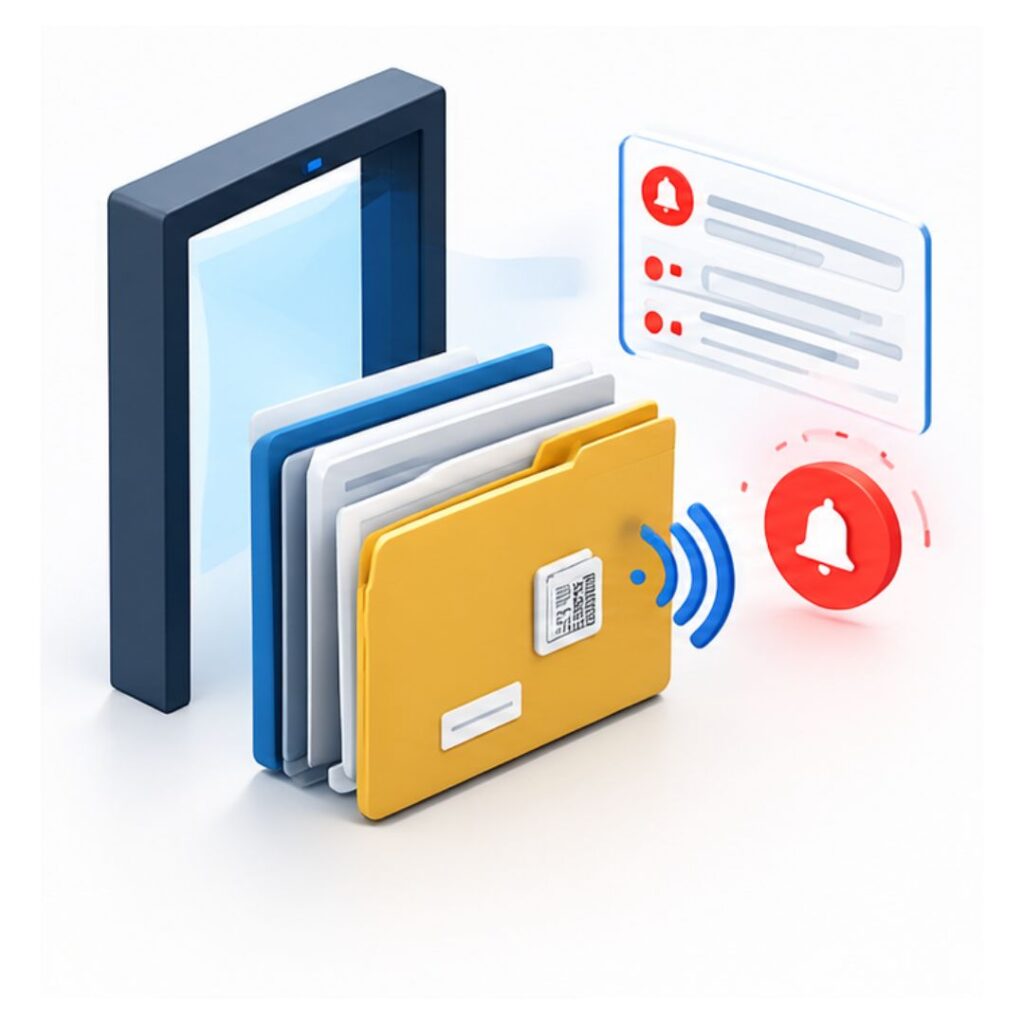
  • Passive Entry/Exit Monitoring: RFID antennas installed at doorways provide real-time, hands-free tracking of files, archives, and personnel as they transition between storage areas.

  • Intelligent Directional Logic: Integrated motion sensors determine the specific direction-of-travel, allowing the system to automate the check-in and check-out process without manual data entry.

  • Personnel Accountability: By issuing RFID-enabled ID cards, the system automatically associates specific files with the staff member who moved them, creating a reliable audit trail.

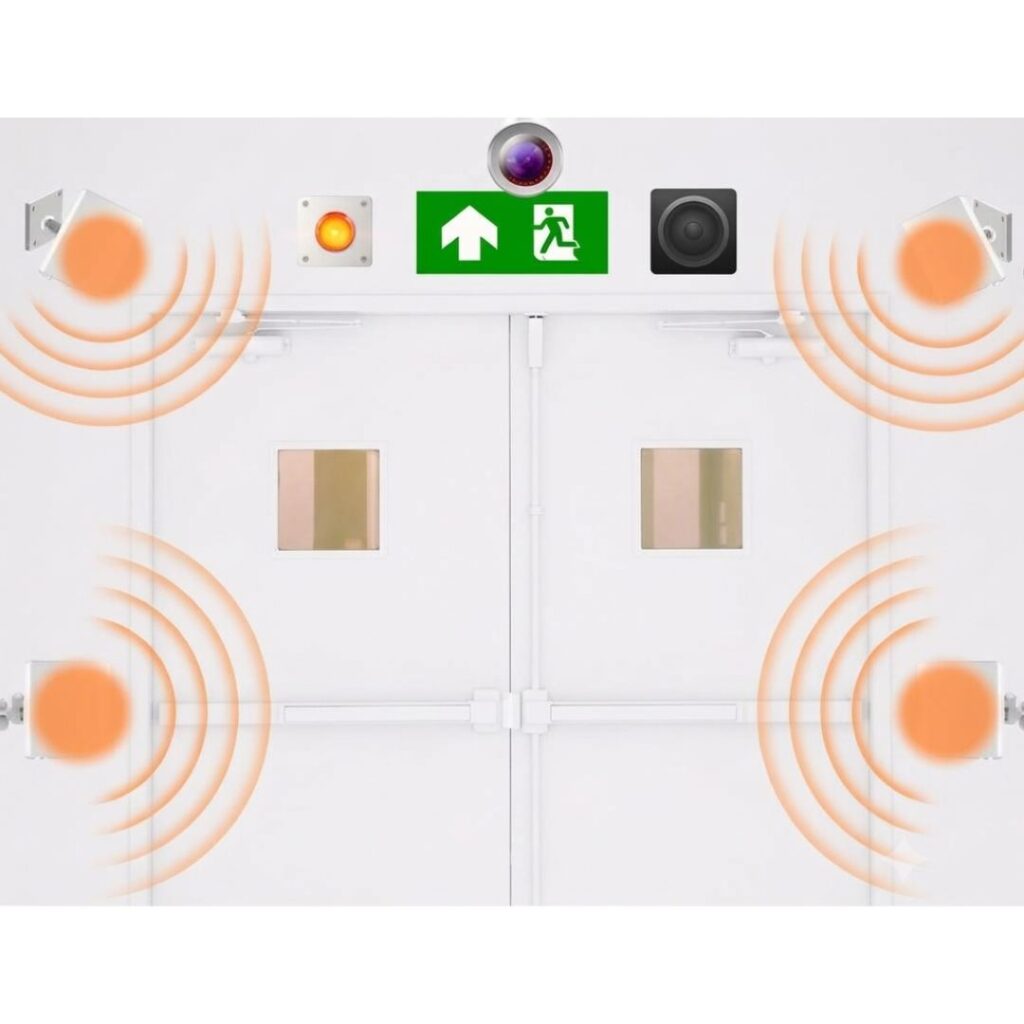
  • Proactive Loss Prevention: Antennas can be synced with alarms and surveillance cameras to trigger immediate alerts if an unauthorized file or asset approaches a restricted exit.

Real-Time File Tracking throughout Facilities

  • Real-Time Asset Tagging: Documents and archives are outfitted with RFID labels, enabling continuous, high-accuracy tracking as they move throughout a facility.

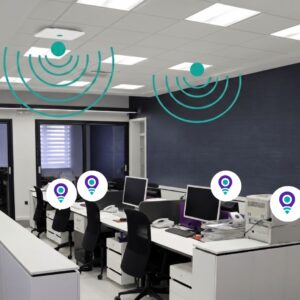
  • Infrastructure Integration: RFID antennas are integrated directly into the local network, with each unit assigned a specific location name within the centralized database.

  • Automated Location Updates: As tagged files pass within range of ceiling-mounted antennas, the software automatically records the transition and updates the file’s current location.

  • Hands-Free Inventory: The RFID file tracking system eliminates manual scanning by providing a constant digital pulse on the whereabouts of sensitive or critical paperwork.

Prevent Unauthorized Removal of Files

  • Comprehensive Perimeter Control: Strategically placed RFID antennas at exits and transition zones prevent the unauthorized movement or removal of sensitive documents and archives.

  • Intelligent Identity Linking: The system simultaneously identifies the specific items being moved, the personnel handling them, and their exact direction of travel (IN vs. OUT).

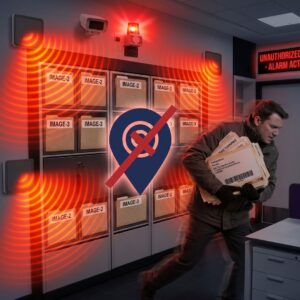
  • Instant Visual & Audible Deterrence: Based on customizable business rules, unauthorized access can trigger immediate local responses, including alarms, flashing lights, and surveillance camera recording.

  • Automated Stakeholder Notifications: When a security breach occurs, the software instantly dispatches alerts via email or SMS to designated authorities for rapid intervention.

Records Management Software

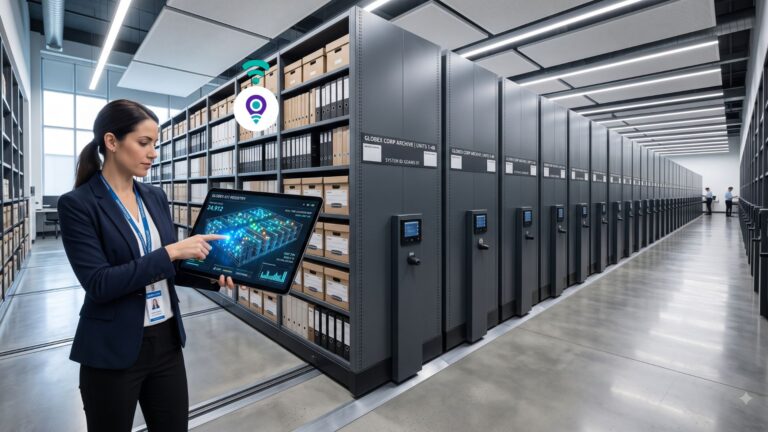
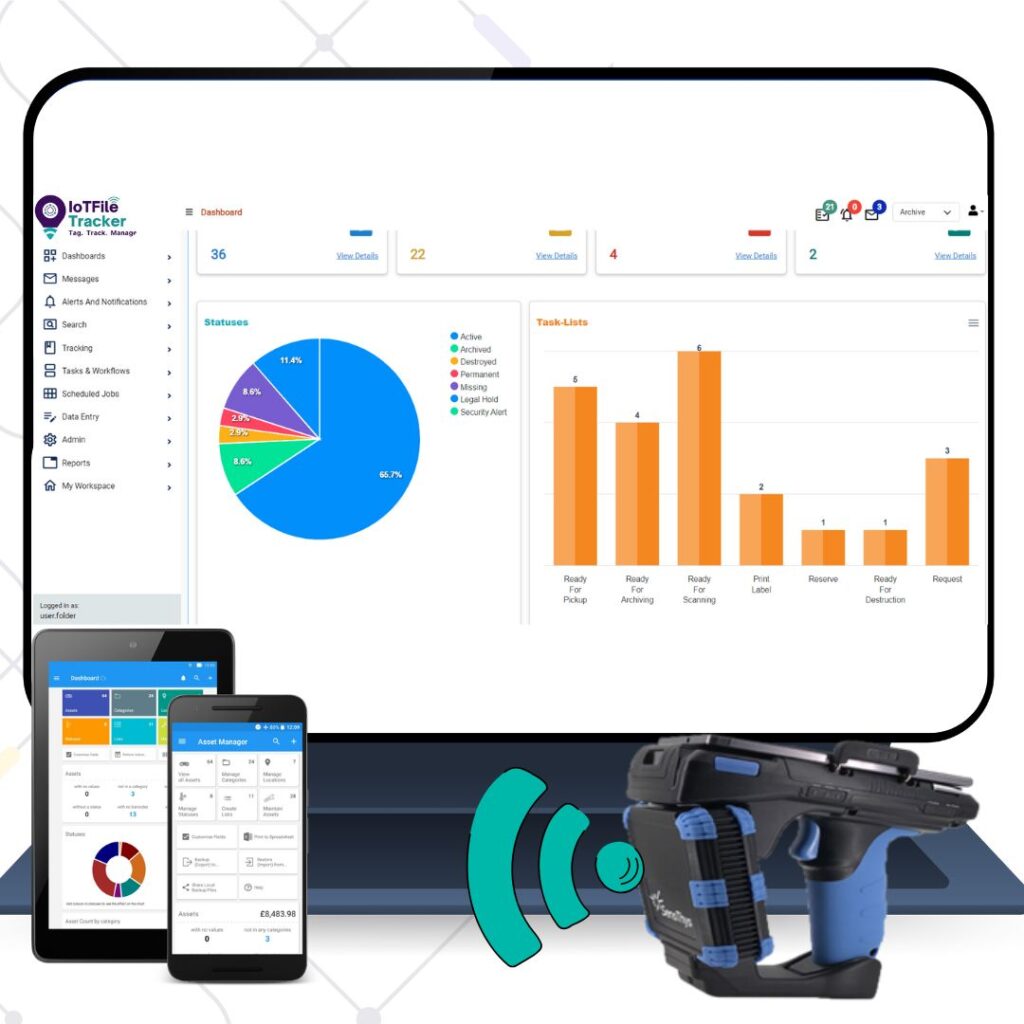
Computerized records management software

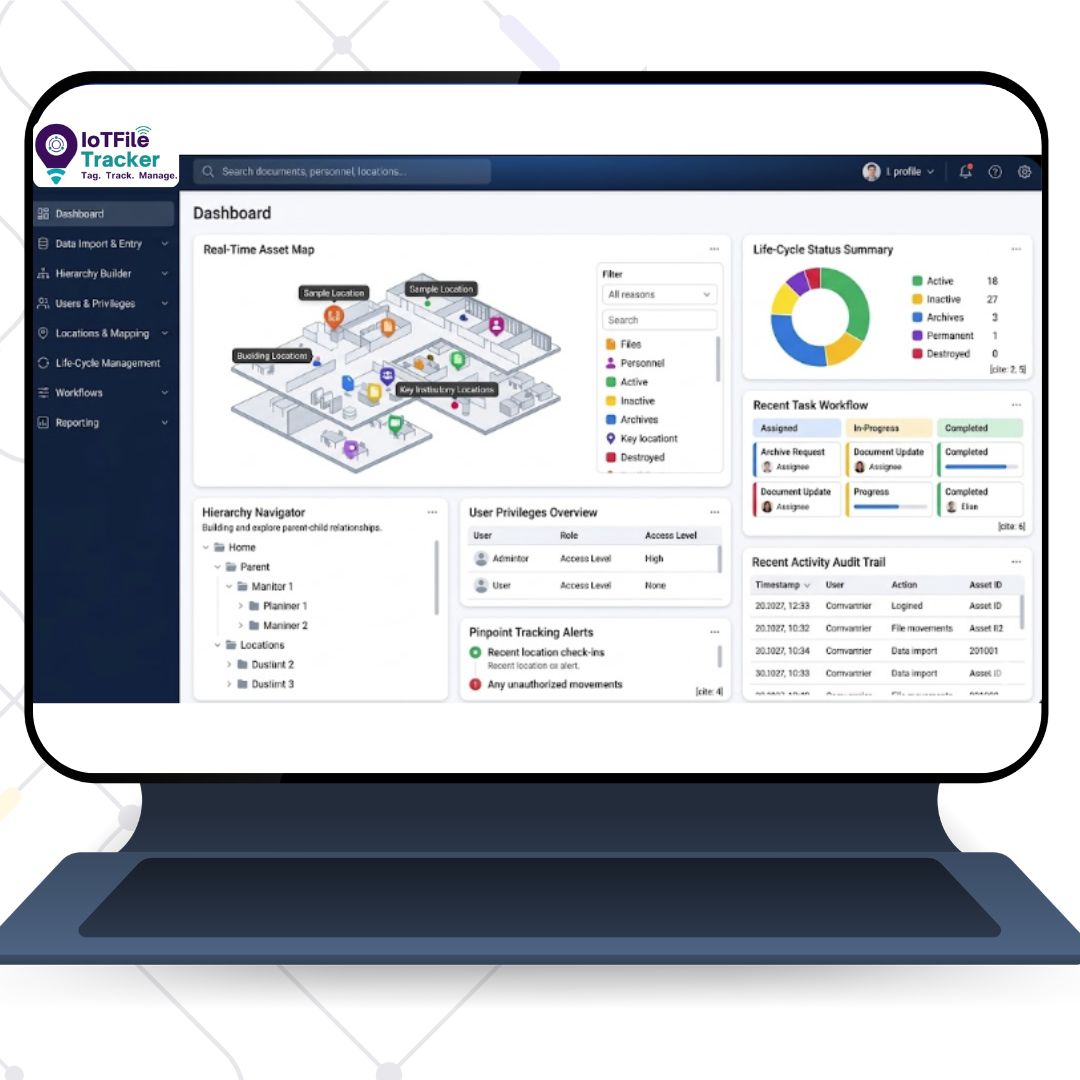
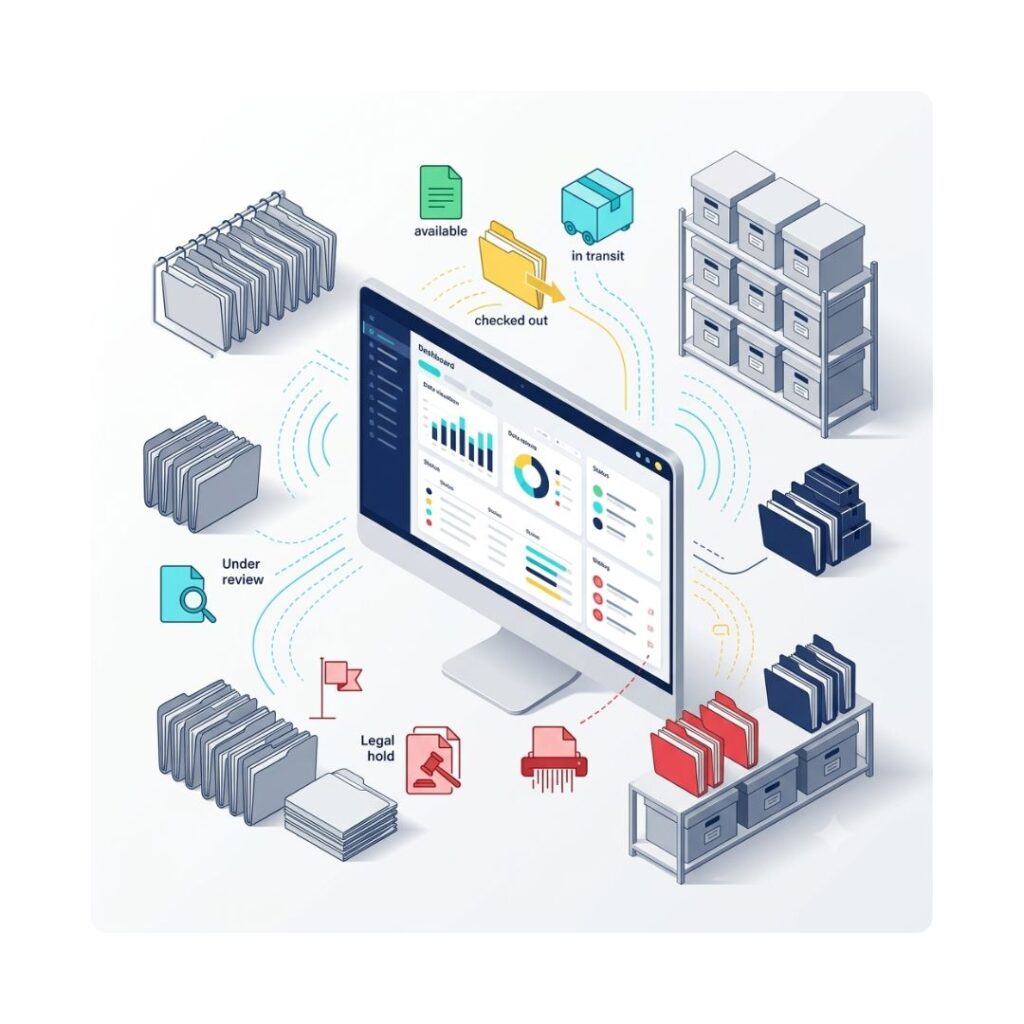
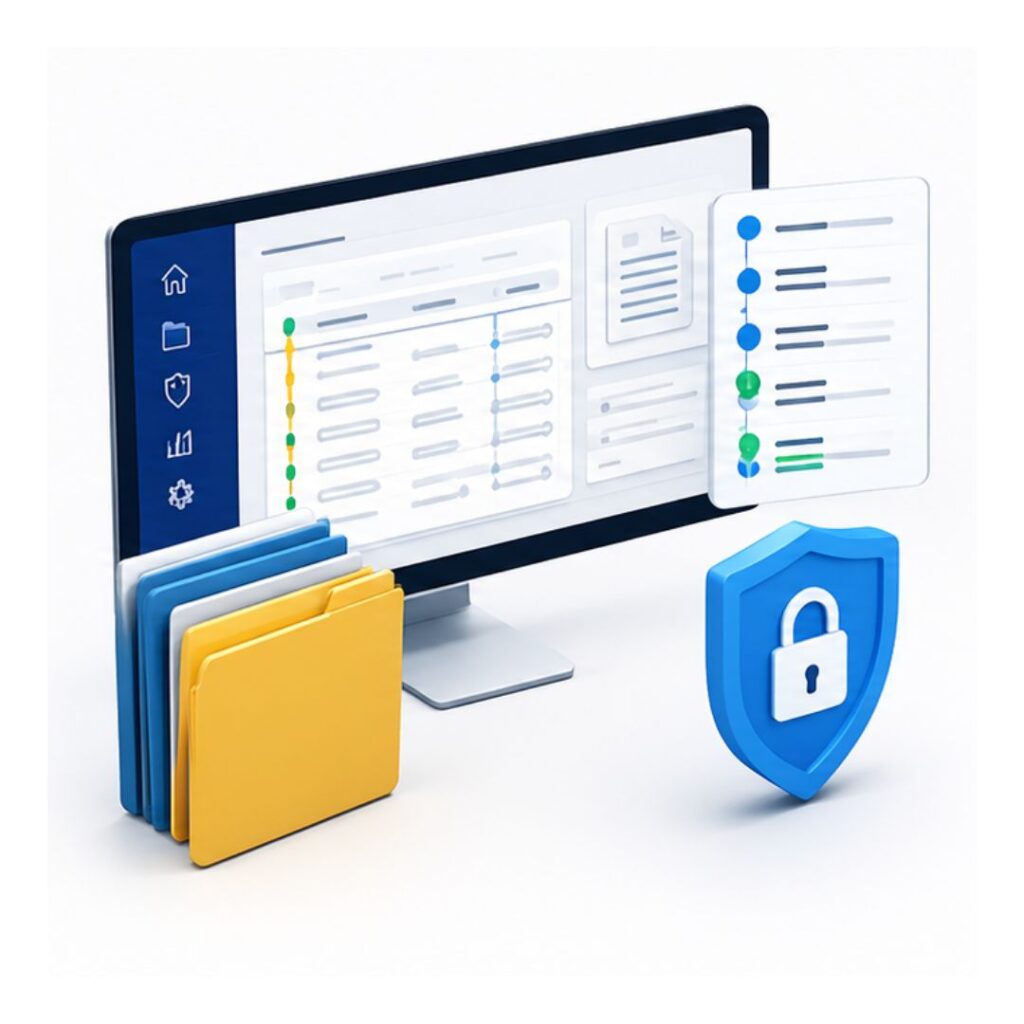
  • Data & Personnel Integration: Effortlessly import or input comprehensive data for documents, archives, and staff members into a centralized system.

  • Hierarchical Organization: Establish sophisticated parent-child relationships to maintain clear structure between individual documents, larger files, and long-term archives.

  • Access & Location Control: Define granular user permissions, staff roles, and specific physical locations to ensure pinpoint tracking accuracy and system security.

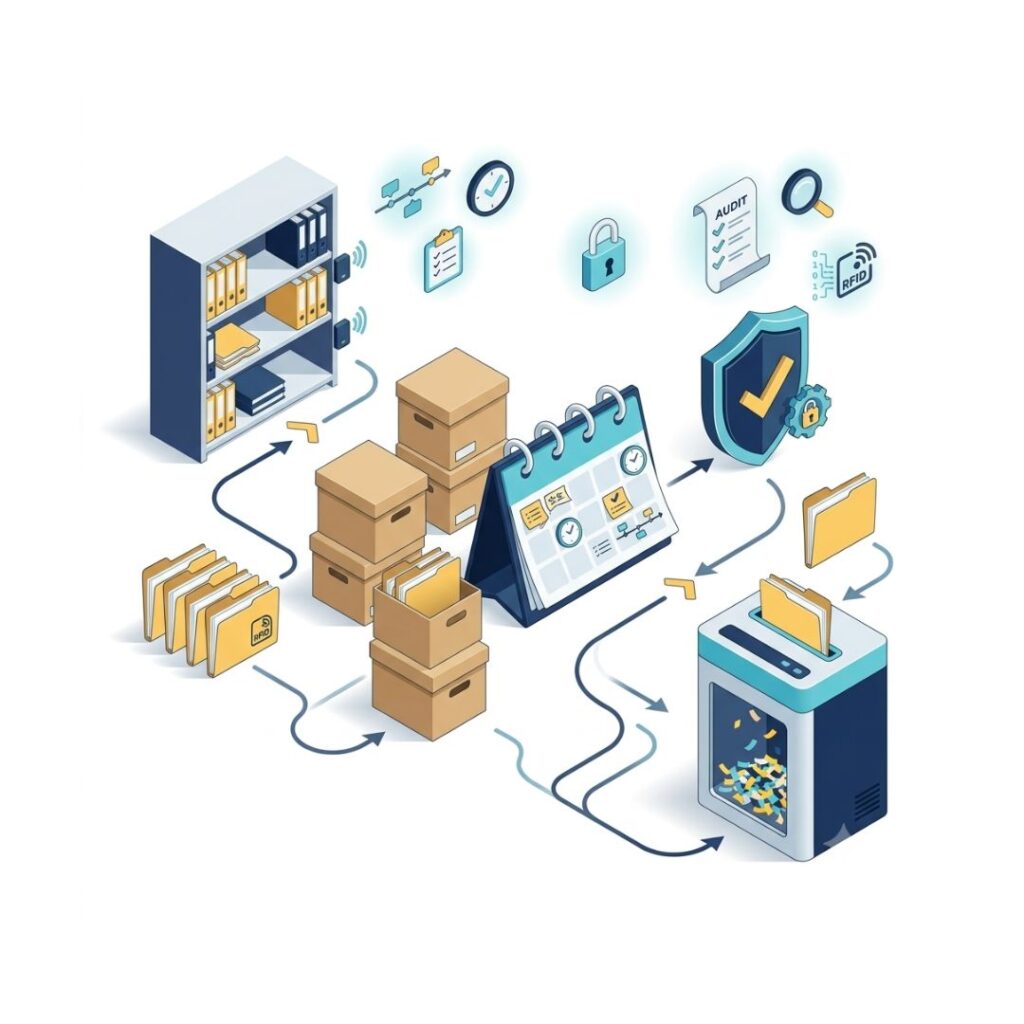
  • Lifecycle Management: Oversee the entire record lifecycle—from active use and storage to permanent archiving or certified destruction.

  • Workflow & Audit Optimization: Manage custom task lists and automated workflows while maintaining a complete audit history with unlimited reporting and form generation.

RFID Labeling of Folders

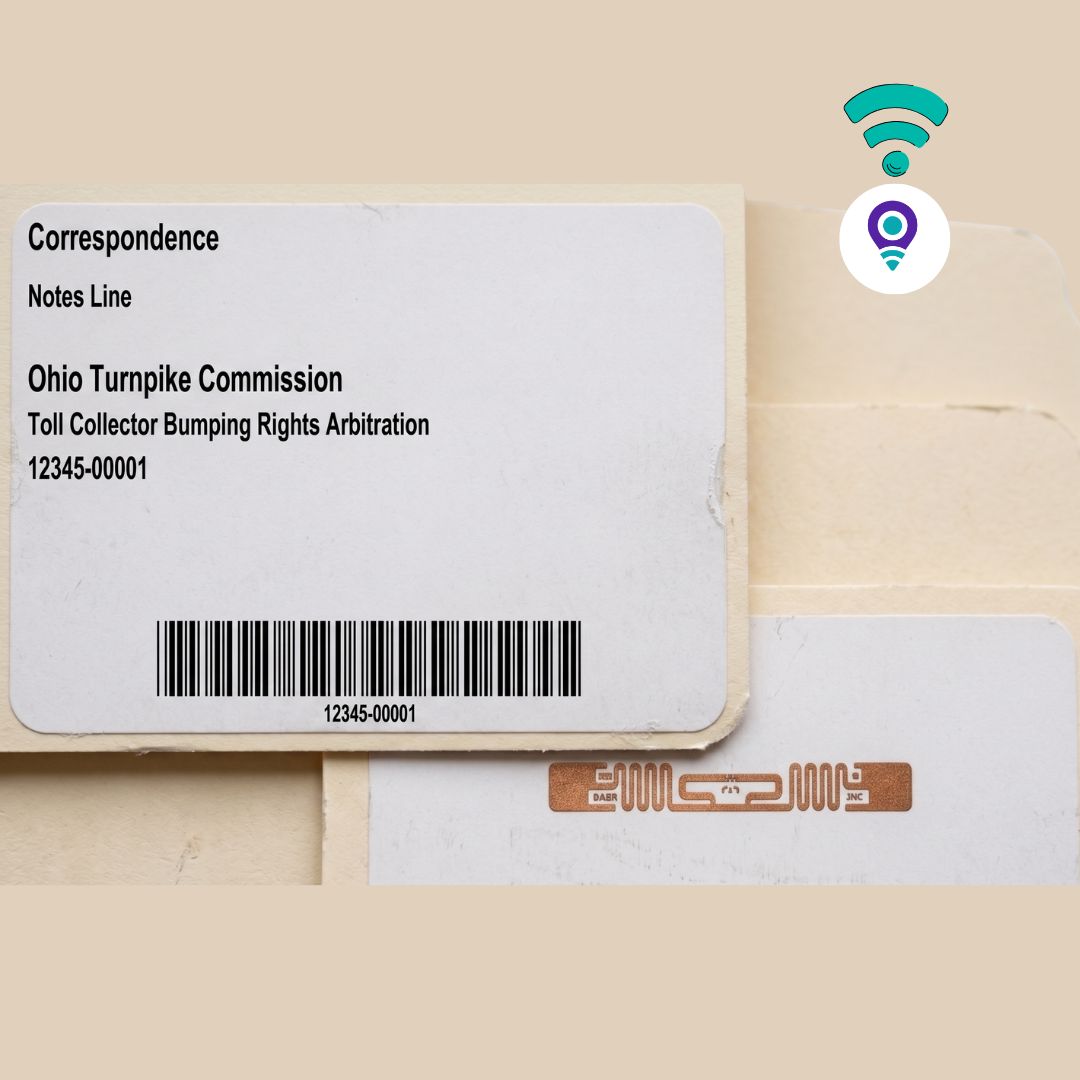
RFID labeling of folders and archives

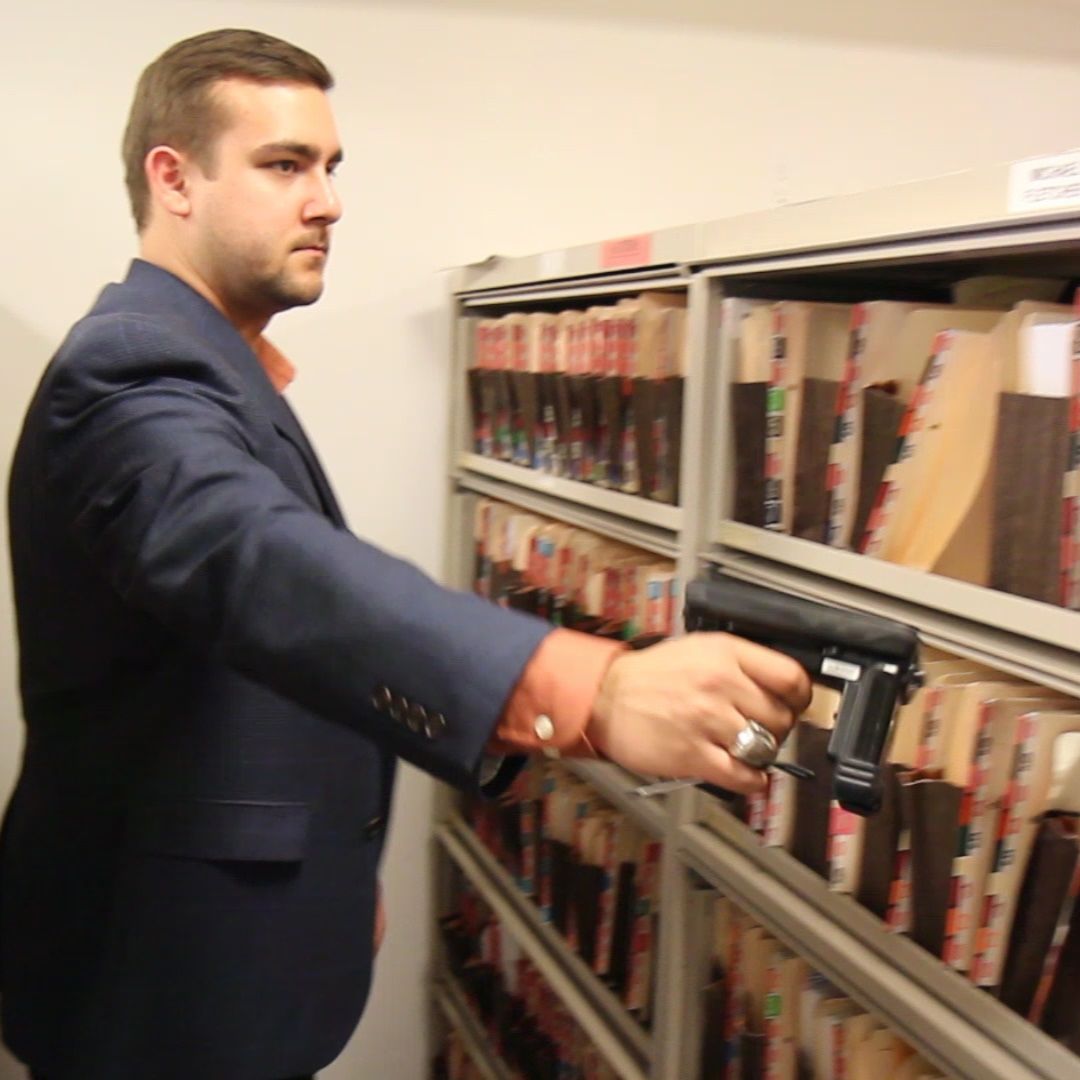
  • Flexible Tagging Options: RFID tags can be applied to folder fronts, side tabs, or top tabs, with various sizes and styles available in sequential rolls or custom-printed formats using your unique data identifiers.

  • Rapid Inventory & Bulk Processing: Utilize RFID-labeled files to perform high-speed batch check-ins and check-outs, as well as rapid, comprehensive inventories of assets in storage or in circulation.

  • Precision Real-Time Tracking: Maintain 100% visibility of documents throughout the facility, significantly reducing time spent locating missing files and preventing unauthorized removals.

  • Plug-and-Play Automation: Streamline workflows by using USB RFID scanners to automate both singular and bulk processing of folders and archives without manual barcode scanning.

find a file technology using rfid
find a file technology

Eliminate Search Time.
Eliminate Hidden Costs.

The "Find-a-File" Mobile Solution using RFID technology

One of the most significant hidden costs in any organization is the time staff spends wandering aisles, opening cabinets, and asking colleagues, “Have you seen the Smith contract?” This is where an RFID based document tracking approach makes a clear difference. The IoTFileTracker mobile scanner eliminates this downtime completely. It transforms the search for a missing document from a frustration-filled hour into a simple, 30-second task.

The IoTFileTracker mobile handheld is more than just a barcode reader; it is a long-range radio wave detector. With a detection radius of over 20 feet (6 meters), the scanner can communicate with files hidden inside desk drawers, stacked in closed cardboard boxes, or misfiled on the wrong shelf—all without visual line-of-sight.


The "Find-a-File" Workflow

  • Find-a-File mobile scanner solution transmits radio waves 20’+ to rapidly locate needed files, requiring less than 30 seconds per work area.

  • Enter or select one or multiple files that need to be located, for a one-path location of needed files with a single Search.

  • Scanner beeps when a needed file or archive is located, so that the identified file’s locations can be pinpointed.

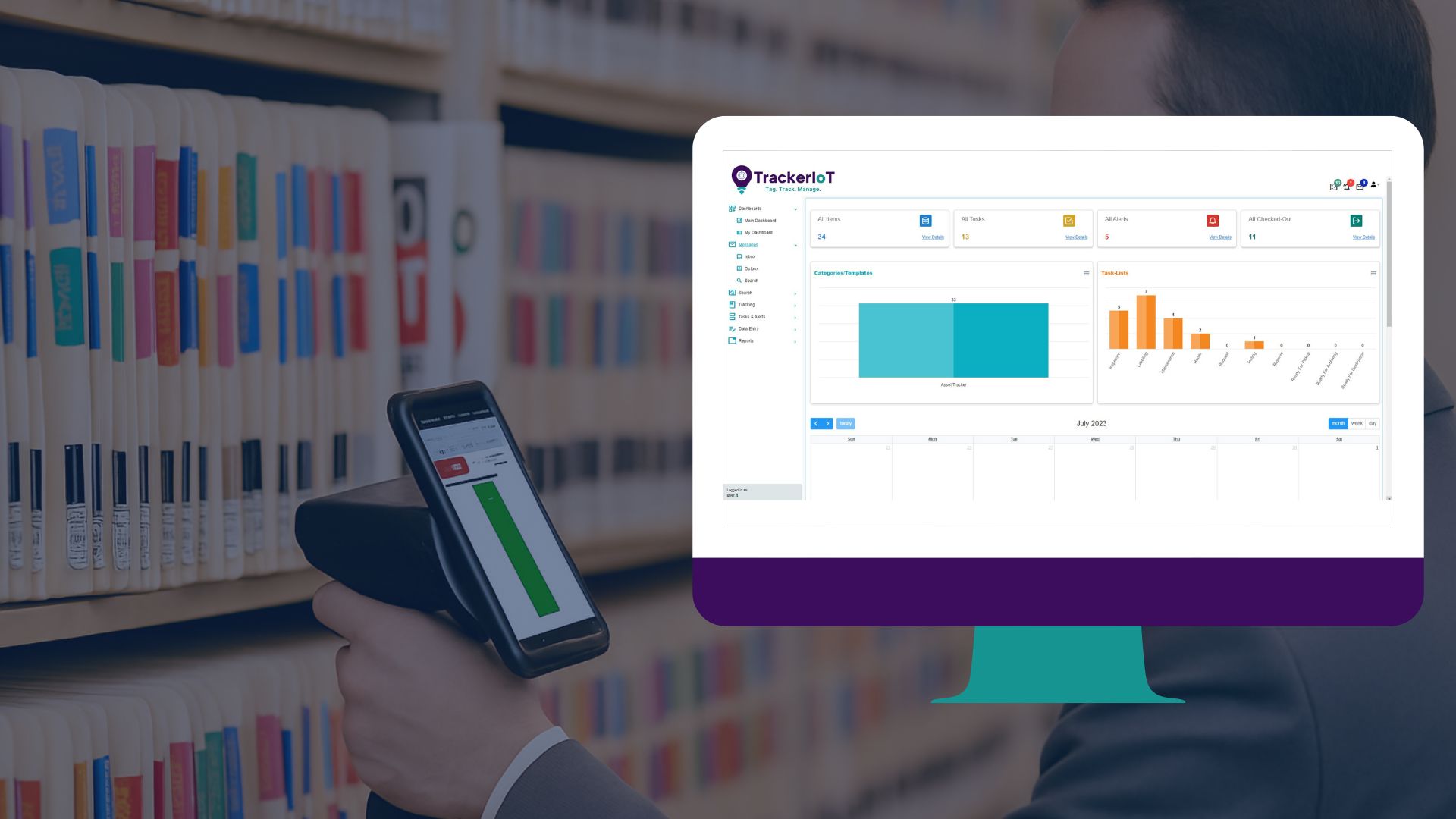
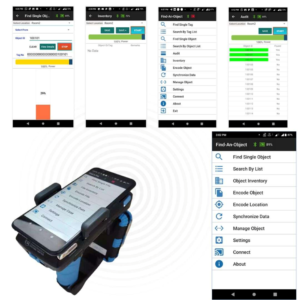
  • Scanner utilizes frequency of beeps, cold-warm-hot color scale and 0 to 100 numeric index to guide Users right to needed files.

Precision Guidance: 3-Way Feedback System

  • Auditory Alerts (Beep Frequency): Similar to a Geiger counter or a metal detector, the scanner emits a beeping sound. As you move physically closer to the file, the frequency increases. A slow beep… beep… indicates the file is in the room. A rapid beep-beep-beep indicates you are standing right next to it.

  • Visual Color Scale (Cold-Warm-Hot): The mobile screen features an intuitive color-coded bar. It displays “Cold” (Blue) when you are far away, transitions to “Warm” (Orange) as you approach, and turns “Hot” (Red) when the file is within arm’s reach.

  • Numeric Index (0-100): For ultimate precision, a digital signal strength meter runs from 0 to 100. If the meter reads “20,” the file is nearby. If it reads “99,” the file is immediately in front of the scanner. This allows users to distinguish between a file on the current shelf versus one on the shelf directly behind it.

Trace, Inventory and Locate Files

  • Mobile RFID scanners have a detection distance of approximately 20’/6 meters +.

  • Mobile scanner scans Location barcodes on office door frames and at other work areas to define the locations at which files are being inventoried.

  • The scanner rapidly scans all files a each location to update the software with current file locations.

  • The scanner also uses beep speed, color-scale and numeric index for finding files.

RFID vs. Barcode: Choosing the Right File Tracking System

FeatureBarcode TrackingRFID Tracking
Scanning MethodManual: Requires line-of-sight; each file must be scanned individually.Automated: Uses radio waves; multiple tags are read simultaneously without line-of-sight.
Tracking SpeedSlow; labor-intensive for large volumes or audits.Rapid: Instant batch scanning and real-time movement detection.
VisibilitySnapshot: Location is only updated when a staff member performs a scan.Real-Time: Continuous visibility as files move past antennas in corridors or doorways.
SecurityReactive; only helpful for knowing where a file was last seen.Proactive: Triggers instant alarms or SMS alerts for unauthorized movements.
Human ErrorHigh risk; files are often moved without being scanned.Minimal: Automation ensures movements are captured even if staff forgets to log them.
ImplementationLower initial hardware cost.Higher initial investment with significant long-term ROI via labor savings.

Which System is Right for You?

Choose Barcode Tracking if:

  • You manage a small office with low file circulation.

  • Budget is the primary constraint and manual labor is readily available.

  • Real-time security and unauthorized movement alerts are not a priority.

Choose RFID Tracking if:

  • Scale Matters: You manage thousands of files, archives, or high-volume daily movements.

  • Security is Critical: You work in Legal, Healthcare, or Government sectors where “missing” files are a liability.

  • You Need Automation: You want to eliminate manual “check-in/check-out” processes and reduce human error.

  • Inventory Efficiency: You need to perform full-room audits in minutes rather than days.

Proven Impact: How Industry Leaders Utilize IoTFileTracker

File Lifecycle Management
Protecting Documents and Files

Protecting Documents, Defending Your Organization.

Security, Compliance, and Lifecycle Management

Security is not an add-on module; it is the fundamental architecture of IoTFileTracker.  As an Advanced Records Management Software and RFID file management system. We understand that for legal firms, healthcare providers, and government agencies, a lost file is not just an inconvenience—it is a liability. Our system provides a multi-layered security framework that manages both digital user privileges and physical asset access.


Proactive Theft Prevention & Alarms

  • Smart Doorways: By placing RFID antennas at exits, the system acts as a digital gatekeeper. It instantly compares the file passing through the door against the user’s authorization level.

  • The ” unauthorized removal” Logic: If a file marked “Confidential” or “Restricted” approaches an exit without a prior authorized checkout command, the system triggers an immediate response.

  • Automated Alert Protocols: The response is customizable based on your business rules. It can trigger physical alarms (flashing strobe lights and audible sirens) to deter the theft locally. simultaneously, the software sends silent alerts via Email and SMS to security managers and department heads, identifying exactly which file is being taken and at which door.

  • Camera Integration: The system can trigger CCTV cameras to timestamp and snapshot the specific event, providing visual evidence of the security breach.

Irrefutable Audit Trails & Compliance

  • The “Who, What, Where, When”: Every time a file is moved, viewed, checked out, or inventoried, it is recorded in the Audit Log.

  • Regulatory Readiness: Whether you are audited for HIPAA, GDPR, ISO, or internal corporate compliance, you can generate comprehensive reports in seconds. You can prove exactly who had a medical record or a legal contract at any specific moment in time.

  • User Accountability: Defined User Software Privileges ensure that staff only have access to the data relevant to their role, further securing the digital side of your records management.

Benefits of RFID File Tracking System

RFID file tracking system improves document management by automating file movement, increasing accuracy, and ensuring real-time visibility across the organization. These are some key benefits of using RFID technology in modern file tracking systems.

  • Automated File Movement Tracking
  • Scalable Tracking for Large File Volumes
  • Continuous 24/7 File Monitoring
  • Reduced Risk of Misplaced or Lost Files
  • Reduced Manual File Handling Errors
  • Prevent Unauthorized Removal of Files

FAQ's

How does RFID file tracking software maintain real-time file visibility without manual updates?

The RFID file tracking software automatically captures file movement through fixed readers and handheld devices. Each tag read updates the centralized database instantly, eliminating manual logbooks and reducing human dependency. This ensures accurate, real-time file status across departments.

The RFID file tracking system defines secure exit zones with rule-based triggers. If a file moves through a monitored doorway without proper checkout authorization, the system generates instant alerts and maintains a digital audit trail for compliance tracking.

An RFID file tracking system reads multiple tagged files simultaneously without line-of-sight limitations. Even densely packed shelves can be scanned in seconds, significantly reducing audit time and improving archival efficiency.

The RFID file tracking software buffers read events locally at the reader level. Once connectivity is restored, queued transactions synchronize automatically with the central system, ensuring no movement data is permanently lost.

The RFID file tracking system links file tags with user ID badges. When both are detected simultaneously within a defined zone, the software assigns custody automatically, creating traceable responsibility records.

Yes. RFID file tracking software uses zone-based logic. Movement within internal zones is logged as relocation, while exit through predefined secure portals is categorized as checkout, based on configured business rules.

The RFID file tracking system maintains timestamped logs of every file interaction. Detailed movement history, custody records, and exception reports help organizations meet compliance standards and simplify audit verification processes.

The system supports centralized dashboards with distributed readers across branches. RFID file tracking software consolidates all site data into a unified reporting interface, enabling enterprise-level scalability and governance control.

Representatives Projects and Customers

Bank United logo
NoA A Logo
The Supreme Court Canada
Douglas County Logo
Middlesex County Logo

Knowledge Centre

Proactive File Tracking With RFID facility detection zones using IoTFileTracker
25Feb

Proactive File Tracking With RFID facility detection zones using IoTFileTracker

In the traditional landscape of records management, the search for a missing file is almost always reactive. A deadline approaches, a court case begins, or an auditor arrives, and suddenly, a staff member realizes a critical folder is not where it belongs. What follows is an expensive and disruptive “all-hands”…

Desktop RFID Reader and Work Area Detectors for enhancing File visibility
25Feb

Desktop RFID Reader and Work Area Detectors for enhancing File visibility

In the life cycle of a record, the file room is the start and end point, but it is rarely where the most critical work happens. Organizations create and store files for use, and that use typically involves moving a folder from a central repository to a desk, office, or…

How IoTFileTracker Delivers Visibility through accurate inventory reporting for records and assets
23Feb

How IoTFileTracker Delivers Visibility through accurate inventory reporting for records and assets

In the complex environment of enterprise records management, “knowing” where a file is located is vastly different from being able to “prove” where that file is. For government agencies, healthcare providers, and legal institutions, the ability to generate a precise, time-stamped inventory is the dividing line between operational excellence and…

Shelving and High-Density Storage Systems helping optimize File and Archive Storage
23Feb

Shelving and High-Density Storage Systems helping optimize File and Archive Storage

In the architecture of information governance, the physical storage environment is often the most neglected component. While organizations invest heavily in digital security and software, the physical “home” of their records—the shelving—is frequently a patchwork of legacy cabinets and inefficient racks. For government agencies, healthcare systems, and legal firms, this…

Records Management Consulting by building efficient, secure, and compliant File Systems with IoTFileTracker
23Feb

Records Management Consulting by building efficient, secure, and compliant File Systems with IoTFileTracker

In the high-stakes world of information governance, many organizations mistake technology for a strategy. They assume that purchasing a piece of software will automatically resolve decades of fragmented indexing, inefficient workflows, and compliance gaps. However, true operational excellence in physical records management is not a product of software alone; it…
Structuring Physical Records with Folders and Subfolders for Accuracy, Scalability, and Tracking with IoTFileTracker
23Feb

Structuring Physical Records with Folders and Subfolders for Accuracy, Scalability, and Tracking with IoTFileTracker

In the high-stakes world of enterprise information governance, the complexity of a record often exceeds the capacity of a single manila folder. Whether it is a massive litigation case spanning years, a multi-decade employee history, or a complex government project, the data involved is rarely a “flat” collection of papers.…

Scroll to Top