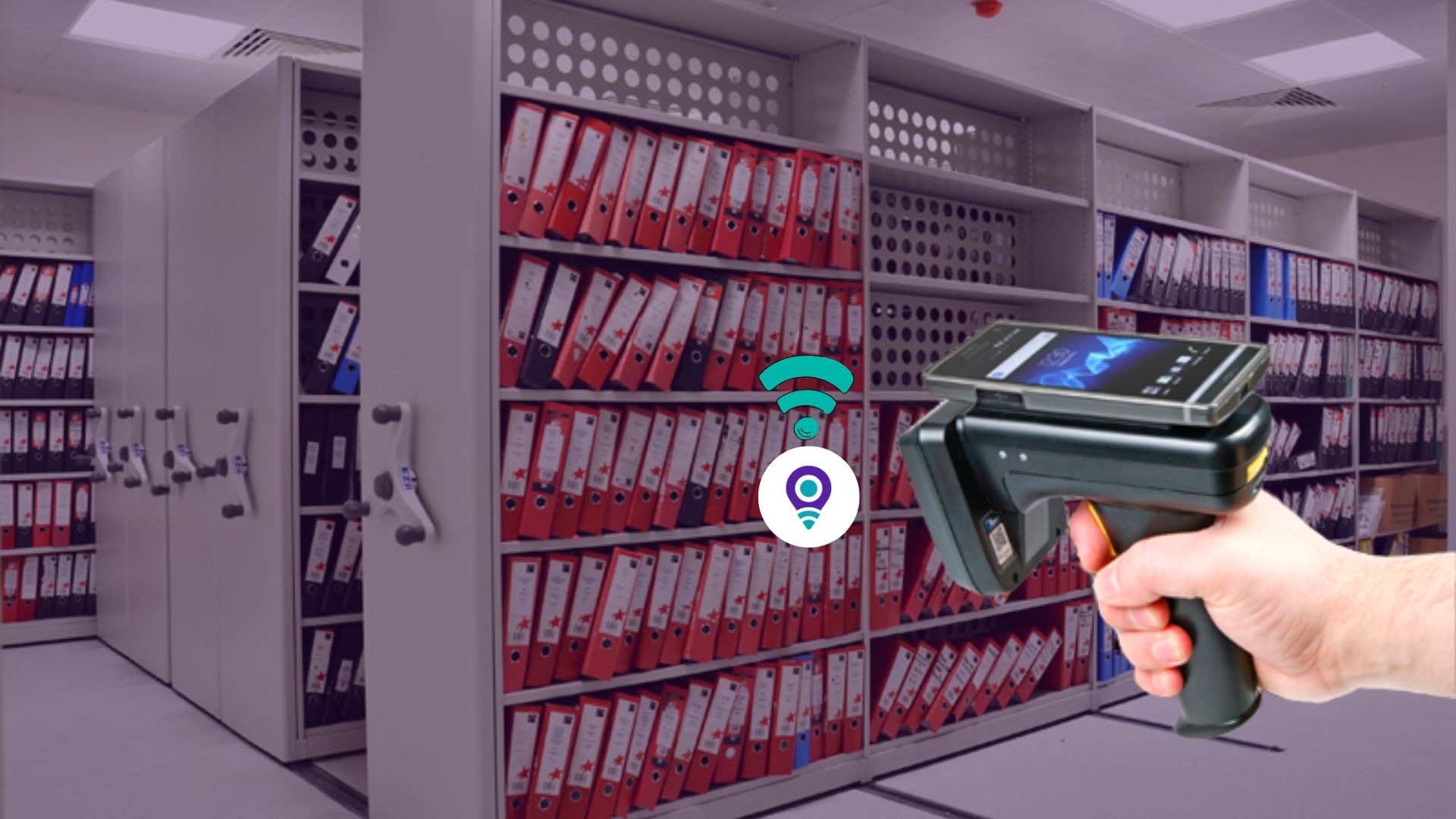
In the modern enterprise, the “paperless office” remains more of a goal than a universal reality. For government agencies, healthcare providers, and legal firms, physical documents remain a critical component of daily operations and regulatory compliance. However, as the volume of physical records grows, so does the complexity of managing them.
The challenge is no longer just storing files; it is knowing exactly where they are at any given millisecond. While RFID file tracking has revolutionized the industry by providing digital visibility, technology alone is often not a silver bullet. The most resilient, high-performance records management systems today utilize a hybrid approach: the precision of RFID color coded filing systems.
By integrating the automated data capture of TrackerIoT and FileTrackingIoT with the visual organization of color-coded folders, organizations can achieve a level of operational excellence that reduces misfiles to near zero while ensuring total compliance.
What Is a Color Coded Filing System?
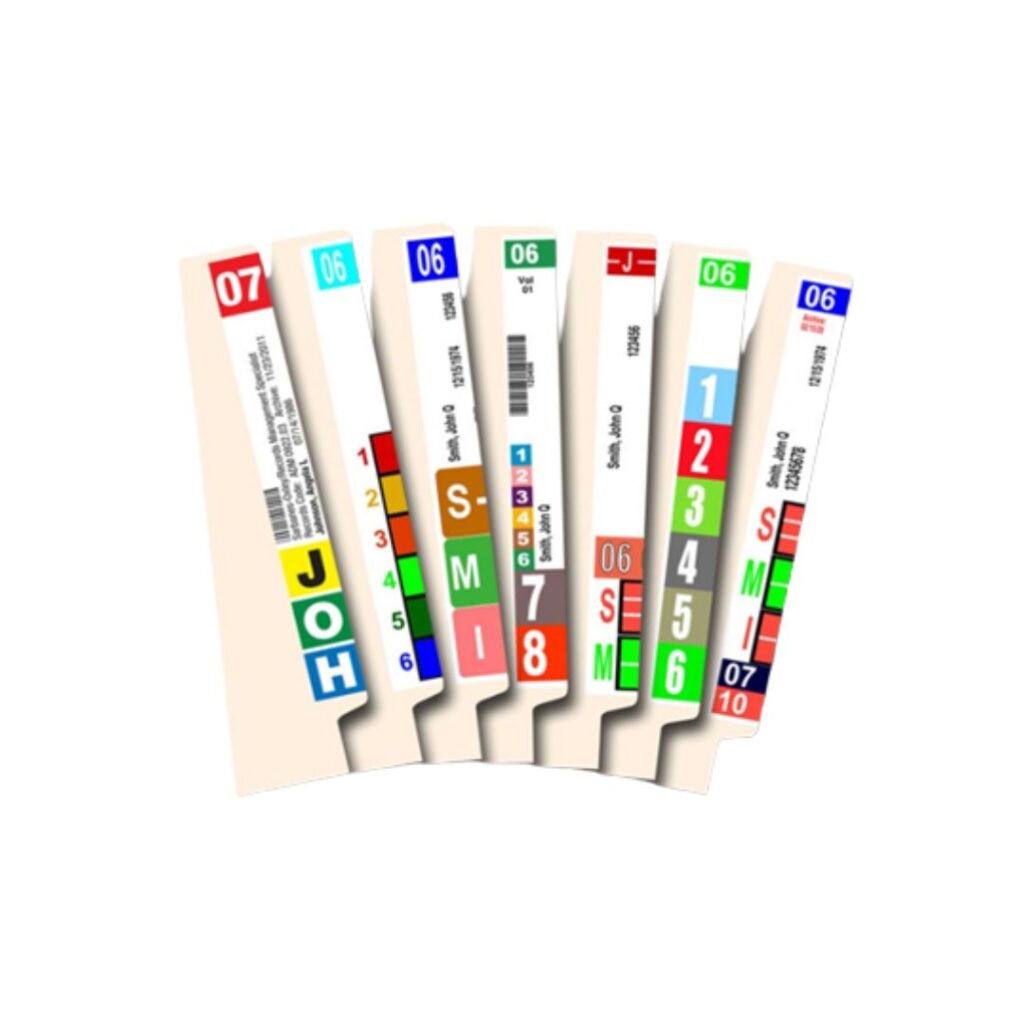
A Color Coded Filing System is a records management methodology that assigns specific colors to letters (A–Z) and digits (0–9) on file folder labels. These color-coded labels are applied to the side tabs or top tabs of folders, creating striking visual patterns along shelf rows that make filing, retrieval, and misfiling prevention almost instantaneous.
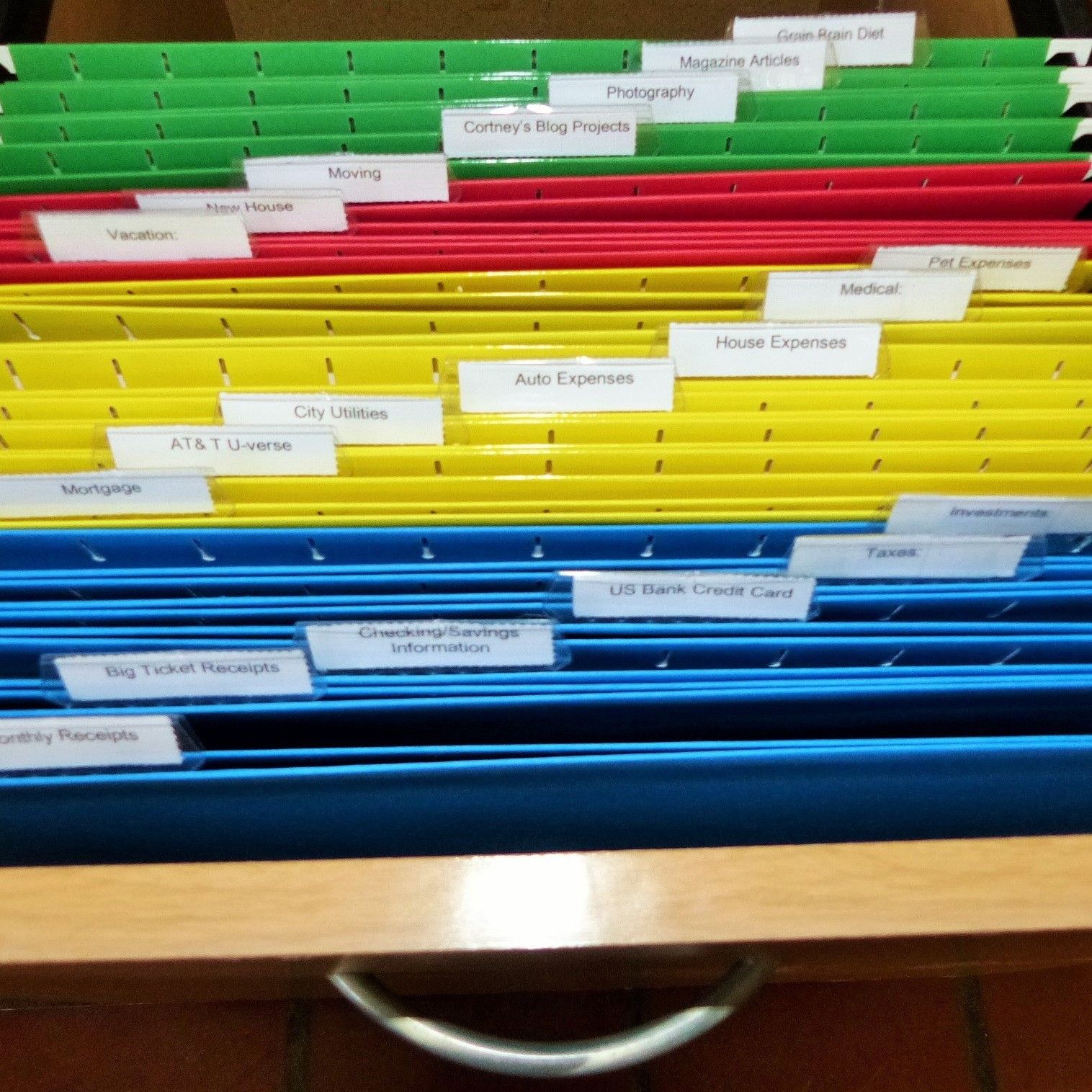
At its core, color coding converts what would otherwise be a purely cognitive, text-based process into a fast, visual one. Rather than reading every folder label to find or re-file a record, staff simply follow the color pattern, much like scanning a rainbow rather than reading individual words.
Quick Example
In a numeric filing system, every file number starting with “1” shares the same first-digit color, every file starting with “2” uses a second color, and so on. A folder placed in the wrong color band stands out immediately, no hunting, no guessing.
How Does Color Coding Work? The Core Mechanics
Digit & Alpha Color Assignment
The foundation of any color coded filing system is a standardized color palette:
- Each digit 0–9 is assigned a unique color (e.g., 0 = gray, 1 = red, 2 = orange, 3 = yellow, 4 = green, etc.)
- Each alpha character A–Z is similarly assigned a distinct color block
- The system prints labels with colored bands that correspond to the primary index field—a file number, a last name, a loan ID, a patient ID, or any other key identifier.
Side-Tab vs. Top-Tab Color Coding
The two primary labeling orientations each suit specific storage configurations:
| Type | Best For | Key Advantage |
| Side-Tab | Open shelving units (recommended) | Maximum visibility from the aisle; entire shelf readable at once |
| Top-Tab | Drawer-based or desktop filing cabinets | Effective in confined spaces or small offices |
Industry experts unanimously recommend side-tab color coding combined with open shelving as the gold standard for records management efficiency.
Filing Sequences: Alphabetic, Numeric & Terminal Digit
Color coding works across all major filing sequences:
- Alphabetic – Color-coding the first two letters of a surname. Used widely in healthcare (patient last names) and legal (client names).
- Numeric – Color-coding the first one to four digits of a file number. Common in financial, insurance, and government records.
- Terminal Digit – Colors applied to the last two digits of a file number. This pioneering methodology (invented in the early 1980s) sequences files by terminal digits, distributing filing activity evenly across all shelves and dramatically reducing bottlenecks in high-volume file rooms.
7 Proven Benefits of a Color Coded Filing System
1. Up to 40% Faster File Retrieval
Studies have shown that color-coded filing can reduce retrieval time by up to 40% compared to plain-label systems. Color processing in the human brain is significantly faster than text reading — staff locate the correct color band within seconds rather than scanning individual text labels one by one.
2. Near-Elimination of Misfiles
A misfiled document costs an average of $120 in labor to locate. It is estimated that 3% of all paper business records are misfiled in traditional text-only systems. With color coding, a mis-shelved folder creates an immediate, unmistakable break in the color pattern — visible from the end of an aisle without touching a single folder.
3. Recovered Productivity Worth Thousands Per Employee
The McKinsey Global Institute found that workers spend approximately 19% of their workweek searching for information. For an employee earning $60,000 annually, that represents over $11,000 in lost productivity per year. A well-designed color coded filing system addresses this directly by making file location intuitive and near-instantaneous.
4. Stronger Records Retention & Compliance
For records managers applying retention schedules, color coding provides a reliable layer of file identification. During annual purges, a folder accidentally shelved with older files is caught immediately by its color mismatch — preventing the wrongful destruction of active records. This has significant legal and regulatory implications across industries including healthcare (HIPAA), finance (SOX), and government.
5. Enhanced Information Security
Color coding by file number or ID — rather than by a person’s or company’s name — adds a layer of privacy protection. Unauthorized personnel cannot easily identify sensitive files by reading labels from a distance. This aligns with privacy best practices and reduces accidental disclosure.
6. Optimized Space Utilization
When combined with open shelving and mobile high-density shelving systems (where carriage-mounted units glide on tracks to eliminate fixed aisles), color coded filing enables significantly higher storage density. Organizations can store more records in less floor space while maintaining fast, reliable access.
7. Intuitive for All Staff Levels
Color-coded systems create a filing environment that is visually self-correcting. New employees and temporary staff require minimal training — color patterns guide correct filing and flag errors without needing deep knowledge of indexing conventions.
Key Statistic
Records manager studies show that 80% of the total cost of a filing operation is people time – not equipment or supplies. Reducing the time staff spend searching for, filing, and re-filing folders is the single highest-leverage improvement any records management program can make.
Color Coded Filing + RFID: The Ultimate Records Management Stack
While color coding delivers powerful visual organization, integrating it with RFID (Radio Frequency Identification) technology creates a comprehensive, real-time records management system that is greater than the sum of its parts.
What RFID Adds to Color Coded Filing
RFID labels printed directly on file folders alongside color-coded bands enable:
- Instant Check-In / Check-Out: RFID readers at file room doorways passively capture file movements in real time, without requiring staff to scan folders individually.
- Real-Time Location Tracking: Multiple RFID detection zones throughout a facility (hallways, offices, archive rooms, building exits) provide pinpoint file location tracking within the records management software database.
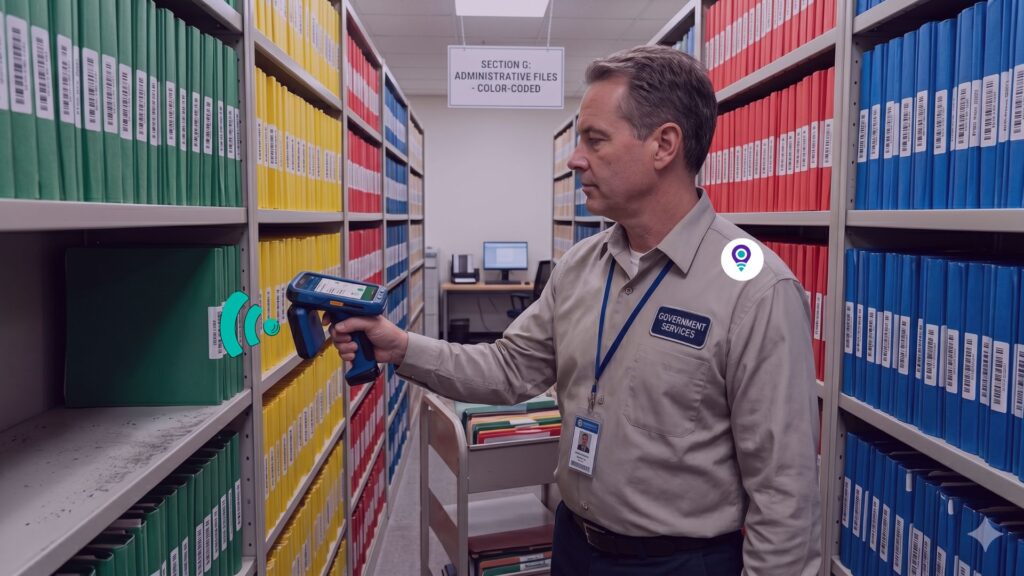
- Bulk Scanning: A single portable RFID reader can inventory dozens of stacked folders simultaneously, no line-of-sight requirement, no one-at-a-time scanning.
- Missing File Detection: Portable scanners guide staff directly to a needed file using audible beeps (increasing frequency as you approach) and a hot/cold color scale on the device screen.
- Unauthorized Removal Alarms: RFID antennas at building exits trigger alerts, flashing lights, and software notifications if a tagged file approaches an exit without authorization.
The All-in-One RFID Color-Coded Label
Modern RFID file labels combine multiple functions on a single printable label:
- Color-coded bands for the primary index (file number, name, or other key field)
- Embedded RFID inlay for electronic tracking
- Barcode strip for handheld scanner compatibility
- Text fields for file name, date, and other metadata
These labels can be printed on demand using standard office printers, or ordered as pre-printed, pre-sequenced label sets for rapid roll-out across an existing file room.
Did You Know?
RFID technology provides real-time return on investment by recovering more staff productivity than the cost of the RFID solution itself. Consulting studies indicate a typical office worker loses up to four weeks of productivity annually searching for and waiting for file folders.
Color Coding Remains Essential Even with RFID
A common misconception is that RFID makes color coding redundant. The opposite is true. Even after RFID technology locates which shelf zone a file is in, the final step of physically locating and pulling the correct folder is a human visual task. Color-coded labels make that last step immediate. Trying to find a specific folder in a file room using only RFID guidance, without color coding is like finding a specific can in a grocery store where every can has a white label with black text.
Industry Applications: Color Coded Filing in the Real World
Healthcare & Medical Records
Hospitals, medical clinics, dental offices, and healthcare networks rely on color coded filing to manage patient records indexed by the first two or three letters of a patient’s last name. Each color band creates instant visual zones – staff retrieving a file for “Johnson” go directly to the J-O section without scanning through hundreds of folders. RFID integration enables fast morning inventory of files in circulation and location tracking across multi-wing facilities.
Legal Firms & Court Records
Law offices handle large volumes of case files with strict confidentiality requirements. Color coding by client file number – rather than client name — provides an additional privacy layer while enabling rapid retrieval. RFID zones at file room doorways and throughout office floors give partners and paralegals instant visibility into which files are checked out and to whom.
Financial Institutions & Banking
Banks and lending institutions manage loan files, policy documents, and client portfolios that are critical to operations and regulatory compliance. Color coding by loan number, combined with RFID check-in/check-out and portable scanners, enables fast reconciliation of files in circulation – essential during audits and compliance reviews.
Government & Municipal Records
Government agencies from civil defense departments to municipal courts, operate with strict chain-of-custody and public accountability requirements. Multi-zone RFID tracking combined with color-coded folder labels enables real-time file location tracking across multi-floor, multi-wing government buildings, with exit alarms preventing unauthorized record removal.
Insurance Companies
Policy files and claims documentation require fast, reliable retrieval for customer service and claims processing. Color coding by policy number reduces retrieval time and misfiling, while RFID tracking ensures that high-sensitivity files do not leave authorized areas.
Implementing a Color Coded Filing System: Step-by-Step
Successfully transitioning to — or optimizing — a color coded filing system involves six key phases:
Technology Integration – If implementing RFID or Barcode file tracking, tag active files during a phased roll-out (e.g., tagging folders as they return from circulation) and configure detection zones, check-in/check-out stations, and reporting dashboards.
Records Audit & Classification – Catalog existing files, identify primary index fields, and define filing sequences (alphabetic, numeric, or terminal digit).
Color Palette Assignment – Select standardized color assignments for digits 0–9 and alpha characters A–Z. Consistency across your entire organization is critical.
Label Design & Printing – Design labels that combine color bands, file index text, barcodes (and RFID if applicable). Use on-demand printing software to generate labels for new records as they are created.
Shelving Configuration – Transition to open shelving with side-tab visibility where possible. For high-volume file rooms, evaluate high-density mobile shelving to maximize floor space.
Staff Training – Train all file room staff and office workers on color conventions and the filing sequence logic. The visual nature of color coding makes training quick and intuitive.
Color Coded Filing System vs. Plain-Label Filing: A Comparison
| Factor | Color Coded System | Plain-Label System |
| Retrieval Speed | Up to 40% faster | Slower; requires reading each label |
| Misfile Detection | Instant visual break in color pattern | Often undetected until file is needed |
| Staff Training Time | Short — pattern-based intuition | Longer — text-dependent cognition |
| Compliance Support | Strong — clear file identification | Moderate — error-prone |
| Integration with RFID | Seamless — labels combine both | Possible but less efficient |
| Scalability | Highly scalable across large volumes | Degrades with volume growth |
Frequently Asked Questions
Yes. While color coding originated in physical paper records management, the underlying principle — assigning visual identifiers to categories — applies directly to digital folder structures as well. Many records management software platforms now support color-coded folder icons, tags, and status labels for electronic files. For organizations managing hybrid paper-digital environments, consistent color conventions across both systems reduce cognitive load and training requirements.
A standard numeric system requires 10 distinct colors (one per digit 0–9). An alphanumeric system requires up to 36 colors (10 digits + 26 letters), though in practice many organizations use a repeating palette of 10–13 colors for alpha characters, since the visual pattern — not individual color uniqueness — is what matters for misfile detection.
Color coding is especially effective for large-volume file rooms. In fact, terminal digit color coding was specifically invented to address the challenges of high-volume filing environments. By sequencing files based on the last two digits of a file number, filing activity is distributed evenly across all shelf sections, preventing bottlenecks where staff cluster around the same shelf area.
Return on investment comes from multiple directions: reduced staff time searching for files, fewer misfiled records requiring costly correction, faster onboarding of new employees, and improved compliance that reduces regulatory risk. Organizations that add RFID integration to color coded systems typically recover the full investment through productivity gains alone, often within the first year of deployment.
Conclusion: Why Color Coded Filing Remains the Records Management Gold Standard
More than five decades after the introduction of color-coded filing labels, the methodology remains not just relevant but essential. In an era of rising real estate costs, growing compliance demands, and increasing record volumes, color coded filing systems deliver measurable, proven efficiency gains that no plain-label system can match.
When combined with RFID and barcode tracking technologies, a color coded filing system becomes a comprehensive, intelligent records management infrastructure — one that gives organizations real-time visibility into every file’s location, protects sensitive records from unauthorized removal, and dramatically reduces the productivity drain of file searching.
Whether you are building a new filing system from scratch or modernizing an existing one, implementing a color coded filing system is the single most impactful step you can take toward records management excellence.