






Complete Visibility. Zero Guesswork.

The Industry Standard in RFID File Tracking Since 2006.

Join the hundreds of facilities securing their operations with our proven, enterprise-grade records management software.

banner blog (37)

Radio Frequency Identification: Monitoring File, Document, and Archive Locations

Radio Frequency Identification (RFID) transforms static paper files into communicative digital assets. Unlike traditional barcodes, which require a direct line of sight and manual scanning for every single item, RFID uses radio waves to read data through standard obstacles like cardboard boxes, file cabinets, and thick stacks of paper.

The Smart Label

A passive RFID tag is applied to your folder or document. It requires no battery and lies dormant until needed.

The Activation

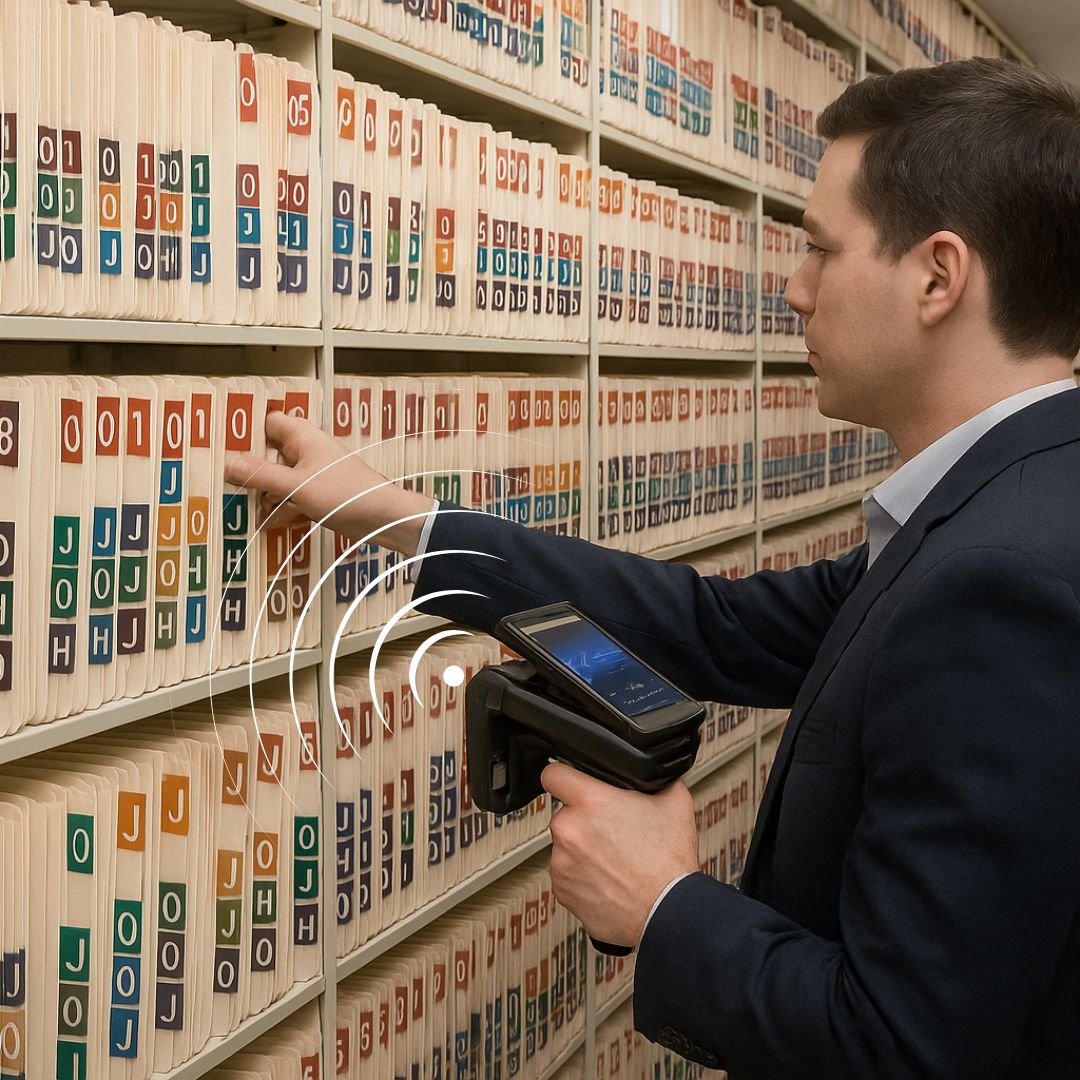
When the file comes within range (up to 20 feet) of a handheld scanner or doorway antenna, the reader emits a radio signal that "wakes up" the tag.

The Data Transfer

The tag instantly transmits its unique ID back to the reader, which updates the FileTrackerIoT software. This creates a real-time, hands-free record of exactly where the file is and who is moving it.
rfid file labels
trackeriot website images (19)

Seamless Integration. Intelligent Filing.

The Foundation of RFID File Tracking: RFID Labels

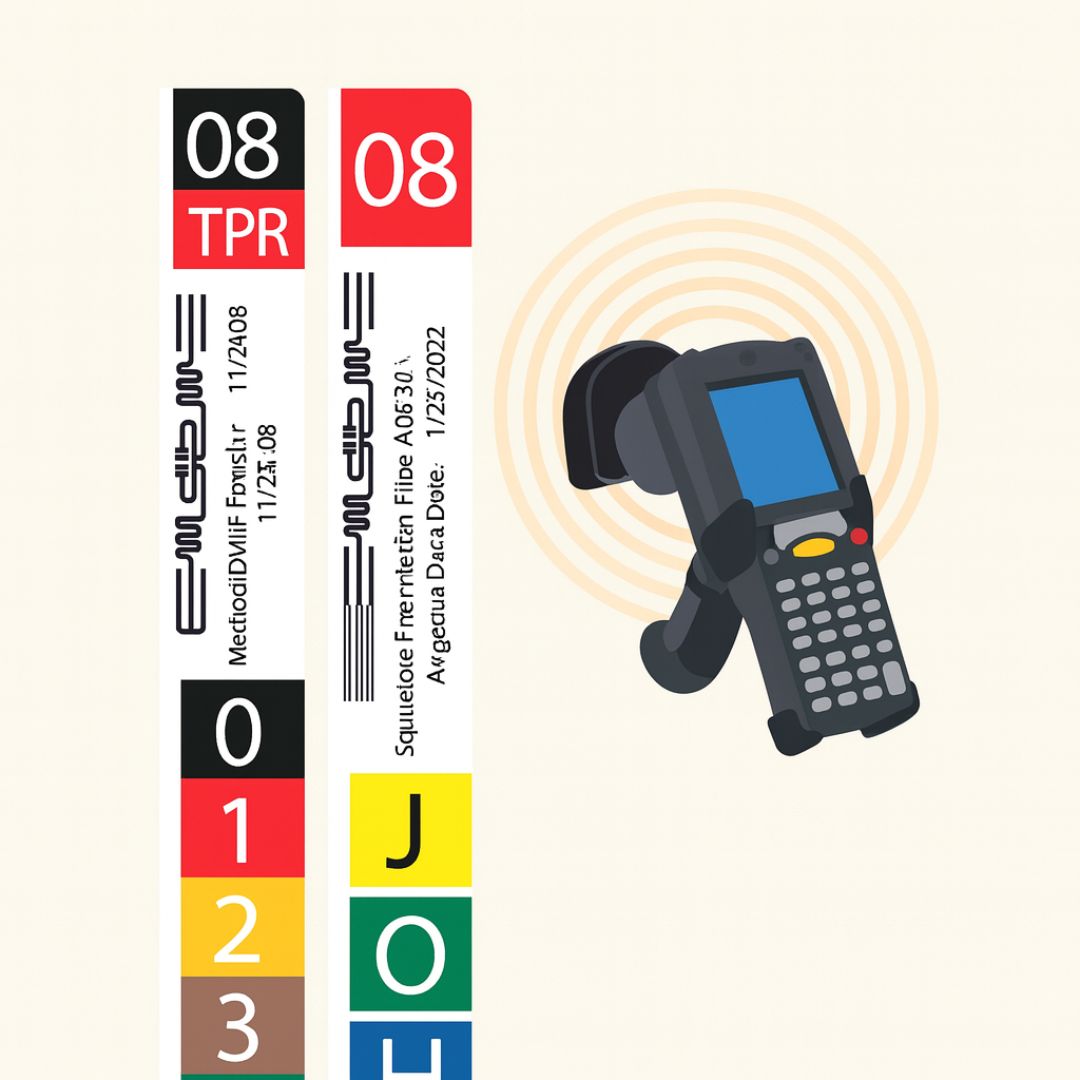
The FileTrackingIoT system begins with the label. We move beyond static paper identifiers by utilizing advanced RFID “Smart Labels.” These tags can be applied to folder fronts, side tabs, or top tabs, ensuring seamless integration with your existing filing furniture, whether you use open shelving or lateral drawers.

We offer a flexible range of tagging solutions to fit your specific workflow:

  • Hybrid Technology: Our labels can combine RFID inlays with traditional Barcodes and human-readable text. This ensures redundancy—if a network goes down, you can still scan a barcode or read the file name manually.

  • Customizable Formats: Available in many sizes and styles, labels can be supplied sequentially on rolls or designed for on-site printing. You can encode your specific Unique IDs and archive data directly onto the tag as you print.

Bulk Processing: The End of Line-of-Sight Scanning

Traditional barcode systems are time-consuming because they require a direct “line of sight” for every single scan. If you have 50 files, you have to pick up and scan 50 individual barcodes.

FileTrackingIoT eliminates this bottleneck. Because RFID utilizes radio waves, it can read through paper, cardboard, and plastic.

  • Simultaneous Scanning: You can process entire stacks of files, full archive boxes, or loaded file carts all at once.

  • Rapid Inventory: A user can wave a mobile scanner past a shelf of 1,000 files and inventory the entire collection in minutes, instantly identifying any file that is missing or misfiled.

Automated Check-In & Check-Out

We streamline the daily circulation of records with intuitive desktop tools. Using a USB-connected RFID pad, staff can automate the flow of documents without manual data entry.

  • Instant Updates: Simply place a singular folder or a batch of files on the scanner pad. The system instantly identifies the items and updates their status to “Checked Out” (assigned to that user) or “Checked In” (returned to storage).

  • Workflow Integration: This process can trigger automatic notifications, such as “Ready for Pickup” alerts or emails confirming that a sensitive file has been returned to the vault.


Intelligent "Parent-Child" Relationships

Managing complex archives requires more than just tracking loose papers. Our software establishes strict “Parent-Child” relationships to maintain the integrity of your records.

  • The Hierarchy: You can link individual documents (Children) to a specific folder (Parent), and link that folder to a specific Archive Box (Grandparent).

  • Smart Association: If you scan the “Parent” folder, the system knows exactly which “Child” documents should be inside. If a specific document has been removed from the folder without being checked out separately, the system can flag the discrepancy, ensuring that a file folder is never archived with missing contents.

find a file technology

Eliminate Search Time.
Eliminate Hidden Costs.

The "Find-a-File" Mobile Solution using RFID technology

One of the most significant hidden costs in any organization is the time staff spends wandering aisles, opening cabinets, and asking colleagues, “Have you seen the Smith contract?” The IoTFileTracker mobile scanner eliminates this downtime completely. It transforms the search for a missing document from a frustration-filled hour into a simple, 30-second task.

The FileTrackingIoT mobile handheld is more than just a barcode reader; it is a long-range radio wave detector. With a detection radius of over 20 feet (6 meters), the scanner can communicate with files hidden inside desk drawers, stacked in closed cardboard boxes, or misfiled on the wrong shelf—all without visual line-of-sight.


The "Find-a-File" Workflow

  • Select: In the FileTrackerIoT software (desktop or mobile app), the user selects one or multiple files that are missing.

  • Scan: The user walks through the office or archive while holding the trigger on the mobile scanner.

  • Locate: As the user walks, the scanner filters out thousands of other tags and searches specifically for the unique ID of the requested file.

Precision Guidance: 3-Way Feedback System

  • Auditory Alerts (Beep Frequency): Similar to a Geiger counter or a metal detector, the scanner emits a beeping sound. As you move physically closer to the file, the frequency increases. A slow beep… beep… indicates the file is in the room. A rapid beep-beep-beep indicates you are standing right next to it.
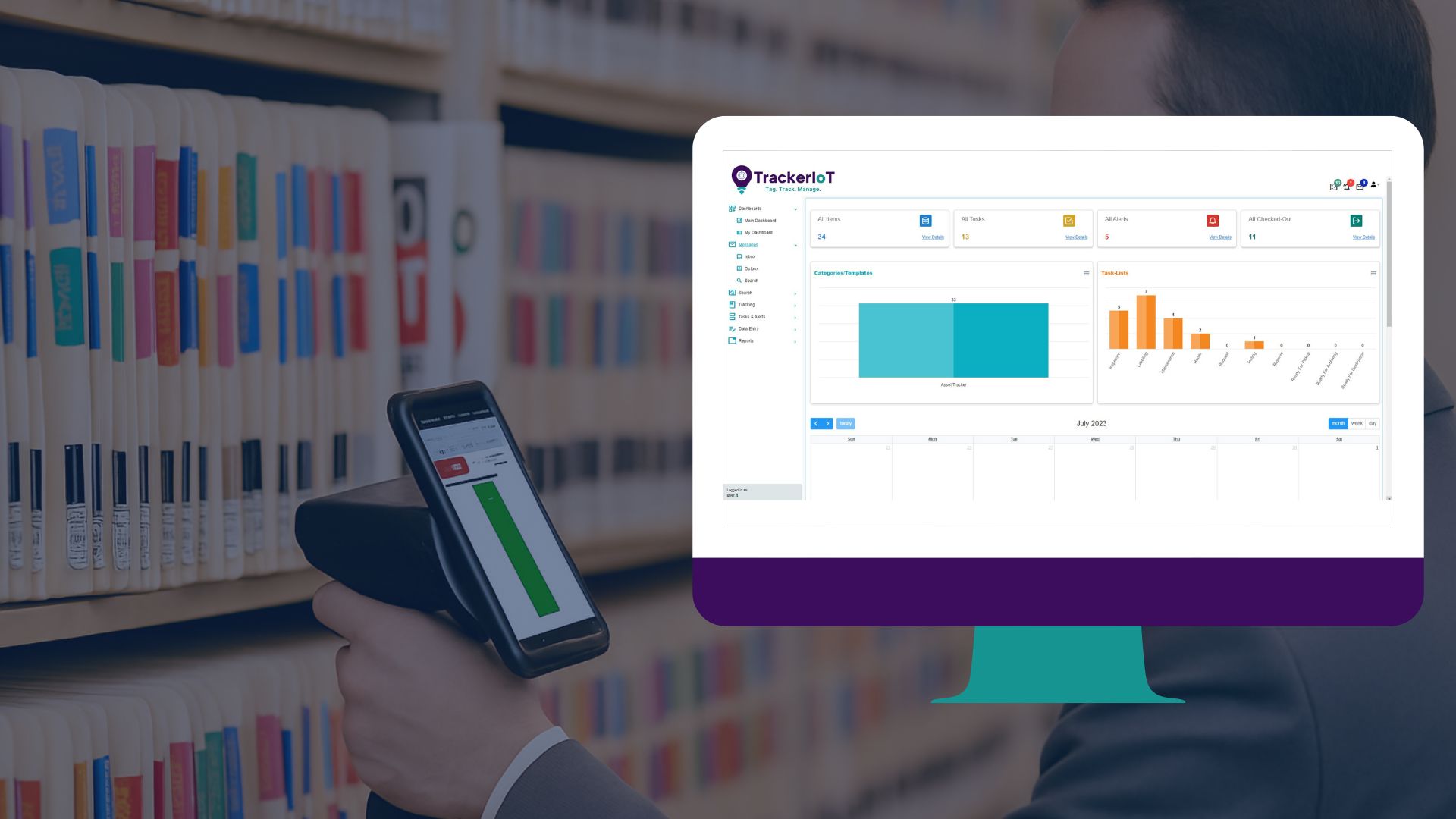
  • Visual Color Scale (Cold-Warm-Hot): The mobile screen features an intuitive color-coded bar. It displays “Cold” (Blue) when you are far away, transitions to “Warm” (Orange) as you approach, and turns “Hot” (Red) when the file is within arm’s reach.
  • Numeric Index (0-100): For ultimate precision, a digital signal strength meter runs from 0 to 100. If the meter reads “20,” the file is nearby. If it reads “99,” the file is immediately in front of the scanner. This allows users to distinguish between a file on the current shelf versus one on the shelf directly behind it.

Rapid Room Inventory

Beyond finding lost items, the mobile scanner allows for lightning-fast inventory auditing. Because the device can read hundreds of tags per second, a staff member can simply walk down an aisle of archives. The scanner captures every file’s ID and automatically updates the central database with the file’s current location (e.g., “Moved to Archive Room B, Shelf 4”). This turns a week-long year-end inventory process into a task that can be completed in a single afternoon.

Proven Impact: How Industry Leaders Utilize IoTFileTracker

6.jpg
trackeriot website images (17)

If It Moves, We Track It. Automatically.

Passive Tracking & Real-Time Visibility

True automation is about tracking without thinking. In traditional systems, record accuracy depends entirely on a human remembering to scan a barcode or sign a logbook. If they forget, the system fails.

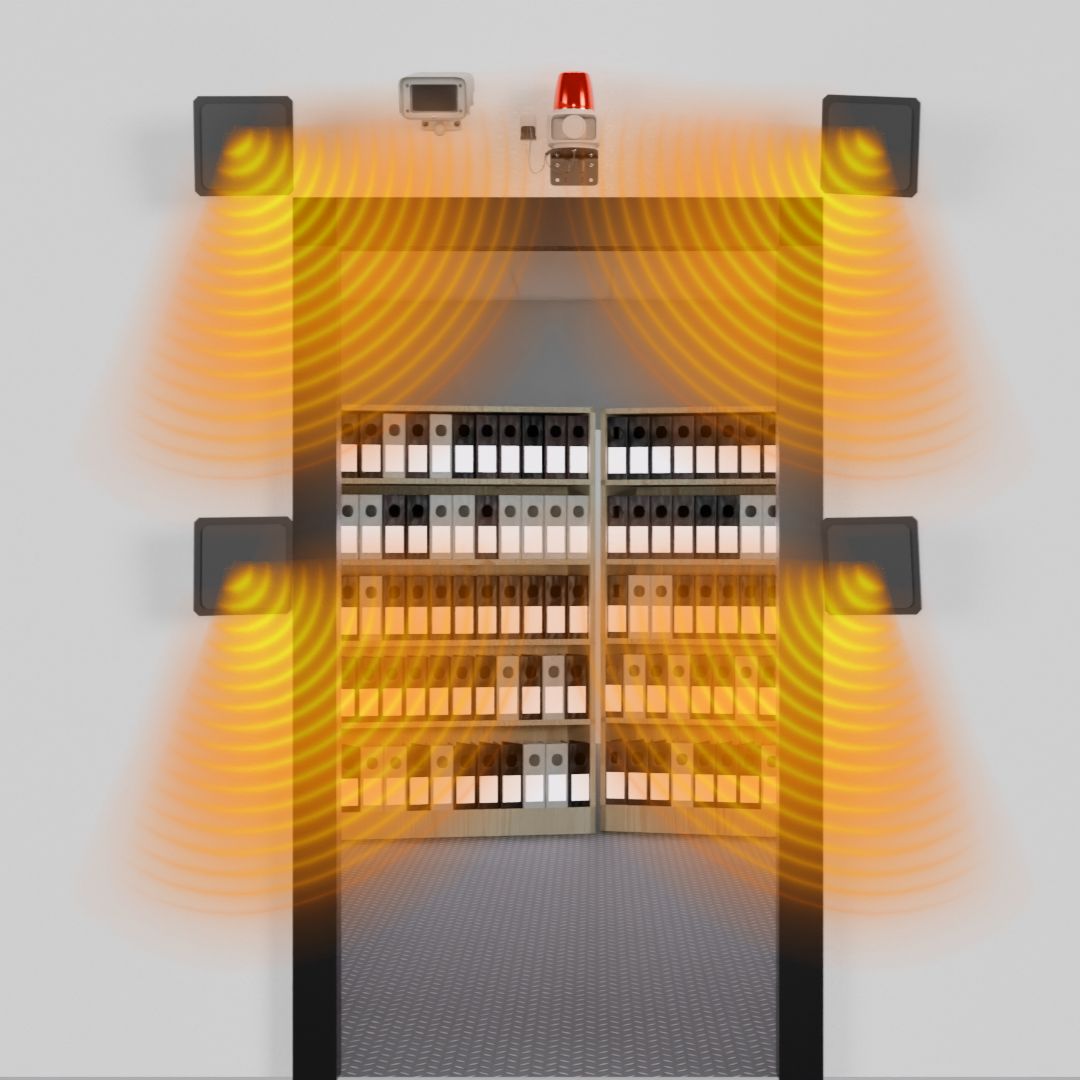
FileTrackingIoT eliminates human error by utilizing “Passive” RFID technology. We install sleek, unobtrusive RFID antennas at key transition points in your facility—such as file room doorways, storage exits, and corridor intersections. These antennas create an “always-on” surveillance network that monitors the movement of your physical assets 24/7/365.

Zone-Based Location Intelligence

  • Hands-Free Updates: There is no need for staff to stop and scan. They simply carry the files naturally. The system captures the tag data at walking speed.

  • Granular Visibility: You can define your facility by specific zones. The system will tell you instantly if a file is in “Long-Term Storage,” “The Legal Department,” “Scanning Room,” or “Executive Office Suite 4.”

  • Audit History: Every zone change is timestamped. You can pull a report showing the exact path a specific contract took through your building over the last six months.

Intelligent Directionality (In vs. Out)

  • Inventory Accuracy: When a cart of files enters the Archive Room, the system adds them to that room’s inventory. When they leave, it subtracts them. This keeps your “Files-in-Circulation” count 100% accurate in real-time.

  • Security Triggers: This directionality is crucial for security. A file entering a secure room is standard operations; a confidential file leaving that same room might trigger an alarm.

Automated Chain of Custody

One of the most powerful features of FileTrackingIoT is the ability to link assets to people automatically. By issuing RFID-enabled ID badges to your personnel, we create a digital link between the user and the document.

  • The “Who” and “What”: As a staff member walks through a doorway carrying a file, the antennas detect both the Personnel Badge and the File Tag simultaneously.

  • Automatic Assignment: The software logic infers custody. It records: “File #1234 was removed from Archives by User: John Doe at 2:15 PM.”

  • Accountability: This eliminates the “I never had that file” dispute. The system provides an irrefutable, impartial record of exactly who was in possession of the document last.

trackeriot website images (36)
trackeriot website images (18)

Protecting Documents, Defending Your Organization.

Security, Compliance, and Lifecycle Management

Security is not an add-on module; it is the fundamental architecture of FileTrackingIoT. We understand that for legal firms, healthcare providers, and government agencies, a lost file is not just an inconvenience—it is a liability. Our system provides a multi-layered security framework that manages both digital user privileges and physical asset access.


Proactive Theft Prevention & Alarms

  • Smart Doorways: By placing RFID antennas at exits, the system acts as a digital gatekeeper. It instantly compares the file passing through the door against the user’s authorization level.

  • The ” unauthorized removal” Logic: If a file marked “Confidential” or “Restricted” approaches an exit without a prior authorized checkout command, the system triggers an immediate response.

  • Automated Alert Protocols: The response is customizable based on your business rules. It can trigger physical alarms (flashing strobe lights and audible sirens) to deter the theft locally. simultaneously, the software sends silent alerts via Email and SMS to security managers and department heads, identifying exactly which file is being taken and at which door.

  • Camera Integration: The system can trigger CCTV cameras to timestamp and snapshot the specific event, providing visual evidence of the security breach.

Irrefutable Audit Trails & Compliance

  • The “Who, What, Where, When”: Every time a file is moved, viewed, checked out, or inventoried, it is recorded in the Audit Log.

  • Regulatory Readiness: Whether you are audited for HIPAA, GDPR, ISO, or internal corporate compliance, you can generate comprehensive reports in seconds. You can prove exactly who had a medical record or a legal contract at any specific moment in time.

  • User Accountability: Defined User Software Privileges ensure that staff only have access to the data relevant to their role, further securing the digital side of your records management.

Total Lifecycle Management

  • Active vs. Inactive: The system tracks active files (in daily circulation) versus inactive files (in deep storage). This helps optimize your expensive office real estate by identifying files that can be moved to off-site storage.

  • Retention Scheduling: You can set automated retention schedules based on file type (e.g., “Retain Tax Records for 7 Years”). The system will alert you when files are eligible for purging.

  • Certified Destruction: When a file reaches the end of its life, the system manages the destruction process. It tracks the file to the shredder and updates the status to “Destroyed,” preserving the metadata record for future reference even after the physical asset is gone.

FAQ's

How does RFID file tracking software maintain real-time file visibility without manual updates?

The RFID file tracking software automatically captures file movement through fixed readers and handheld devices. Each tag read updates the centralized database instantly, eliminating manual logbooks and reducing human dependency. This ensures accurate, real-time file status across departments.

The RFID file tracking system defines secure exit zones with rule-based triggers. If a file moves through a monitored doorway without proper checkout authorization, the system generates instant alerts and maintains a digital audit trail for compliance tracking.

An RFID file tracking system reads multiple tagged files simultaneously without line-of-sight limitations. Even densely packed shelves can be scanned in seconds, significantly reducing audit time and improving archival efficiency.

The RFID file tracking software buffers read events locally at the reader level. Once connectivity is restored, queued transactions synchronize automatically with the central system, ensuring no movement data is permanently lost.

The RFID file tracking system links file tags with user ID badges. When both are detected simultaneously within a defined zone, the software assigns custody automatically, creating traceable responsibility records.

Yes. RFID file tracking software uses zone-based logic. Movement within internal zones is logged as relocation, while exit through predefined secure portals is categorized as checkout, based on configured business rules.

The RFID file tracking system maintains timestamped logs of every file interaction. Detailed movement history, custody records, and exception reports help organizations meet compliance standards and simplify audit verification processes.

The system supports centralized dashboards with distributed readers across branches. RFID file tracking software consolidates all site data into a unified reporting interface, enabling enterprise-level scalability and governance control.

Representatives Projects and Customers

21.jpg
22.jpg
23.jpg
trackeriot website images 17.jpg
trackeriot website images 18.jpg

Knowledge Centre

Enabling Real-Time File Visibility and Chain-of-Custody Control using Facility RFID Detection Zones.
21Mar

Enabling Real-Time File Visibility and Chain-of-Custody Control using Facility RFID Detection Zones.

In the modern enterprise, the “missing file” is more than a minor inconvenience—it is a significant operational risk. Whether it is a sensitive legal case file, a patient’s medical history, or a classified government document, the loss of physical records can lead to compliance violations, legal liabilities, and compromised security.…

Electronic Signatures for Chain-of-Custody. Strengthening Accountability and Compliance with IoTFileTracker
21Mar

Electronic Signatures for Chain-of-Custody. Strengthening Accountability and Compliance with IoTFileTracker

In the high-stakes environment of enterprise records management, the “Chain of Custody” is the absolute baseline for operational integrity. For government agencies, healthcare systems, and legal firms, the ability to prove who had a specific document at a specific time is not just a matter of convenience—it is a legal…

RFID Doorway and Exit Security Zones. Protecting Physical Records and Preventing Unauthorized Removal with IoTFileTracker
21Mar

RFID Doorway and Exit Security Zones. Protecting Physical Records and Preventing Unauthorized Removal with IoTFileTracker

In the modern enterprise, information security is often synonymous with firewalls and encryption. Yet, for government agencies, healthcare providers, and legal firms, some of the most sensitive data remains housed in physical folders. While digital assets are protected by layers of virtual security, physical records are frequently vulnerable to the…

Document-to-Folder Validation with RFID for trusted records management
25Feb

Document-to-Folder Validation with RFID for trusted records management

In the high-stakes world of records management, knowing the location of a file folder is often considered the “gold standard” of oversight. Organizations invest in RFID file tracking to ensure they know exactly which shelf a case file sits on or whose desk a patient record is currently occupying. However,…

Proactive File Tracking with RFID facility detection zones using IoTFileTracker
25Feb

Proactive File Tracking with RFID facility detection zones using IoTFileTracker

In the traditional landscape of records management, the search for a missing file is almost always reactive. A deadline approaches, a court case begins, or an auditor arrives, and suddenly, a staff member realizes a critical folder is not where it belongs. What follows is an expensive and disruptive “all-hands”…
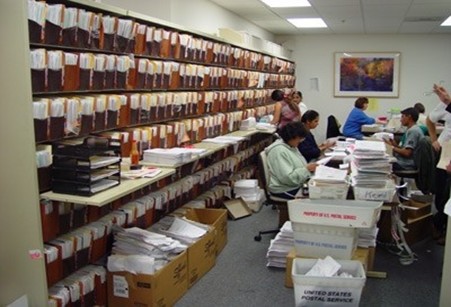
RFID Desktop and Work Area Detectors for enhancing File visibility
25Feb

RFID Desktop and Work Area Detectors for enhancing File visibility

In the life cycle of a record, the file room is the start and end point, but it is rarely where the most critical work happens. Files are created and stored to be used—and “use” typically means moving a folder from a central repository to a desk, an office, or…

Scroll to Top