
In the pursuit of total operational visibility, organizations often face a fork in the road regarding their physical records: do they overhaul their entire filing aesthetic, or do they find a way to make their current system smarter? While many enterprises opt for comprehensive color-coded RFID labels, there is a growing demand for a more discreet, flexible, and low-profile alternative.
RFID wet inlays and inlays with label surfaces offer a high-performance solution for organizations that need the power of RFID file tracking without the overhead of a complete labeling redesign. When managed through the IoTFileTracker platform, these inlays become powerful data points that ensure compliance, accuracy, and speed in high-density records environments.
Why RFID Inlays are a Flexible Alternative to Printed RFID Labels
Traditional RFID labels are often large, prominent, and highly visual. However, for many government agencies or corporate archives, the existing filing system—whether it’s plain manila folders or complex legal binders—already functions well from a visual standpoint. In these cases, organizations aim not to change how the folder looks, but how they track it.
RFID inlays for file tracking allow for a “minimal-change” deployment. Teams can tuck them inside folders, hide them behind existing labels, or apply them to binder spines with virtually no impact on the current filing schema. This flexibility makes them an ideal choice for organizations that need to modernize their records management RFID infrastructure quickly and with minimal disruption.
What Are RFID Wet Inlays and RFID Inlays with Label Surfaces?
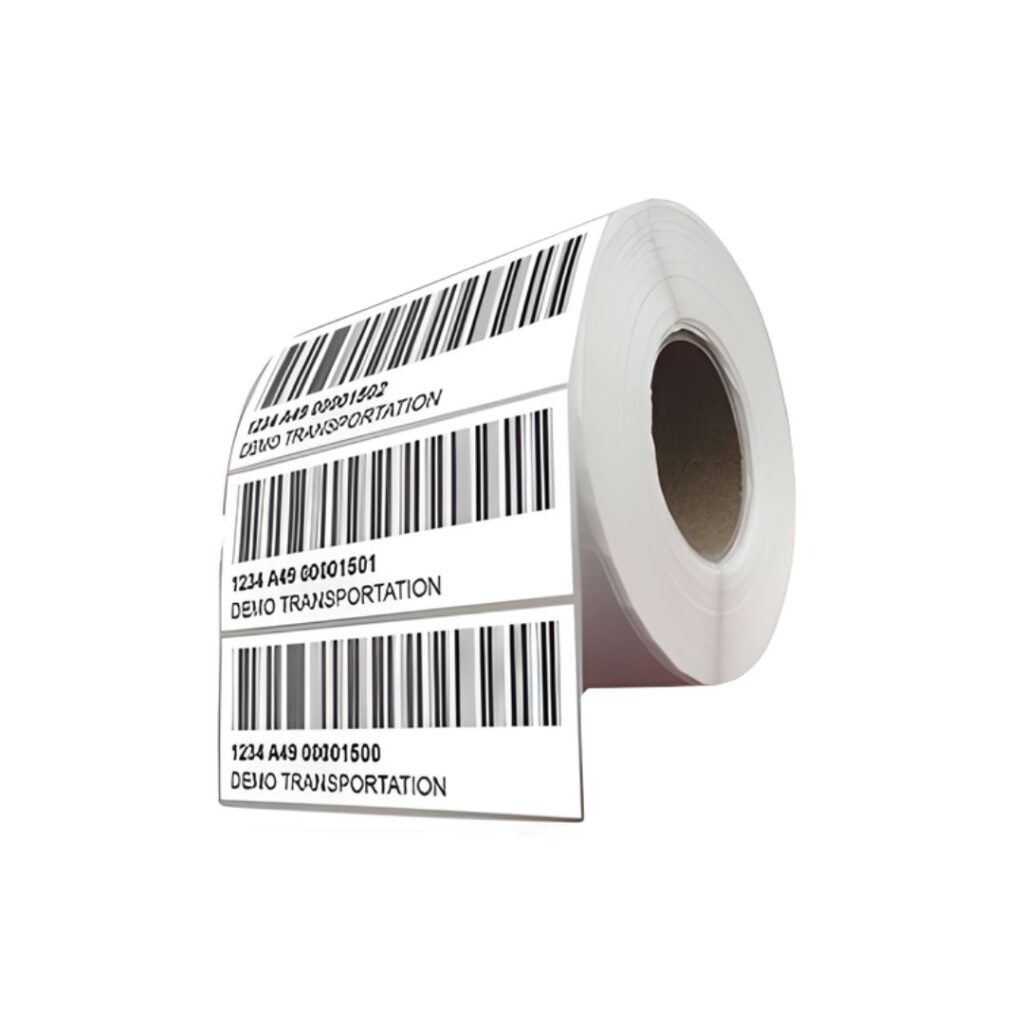
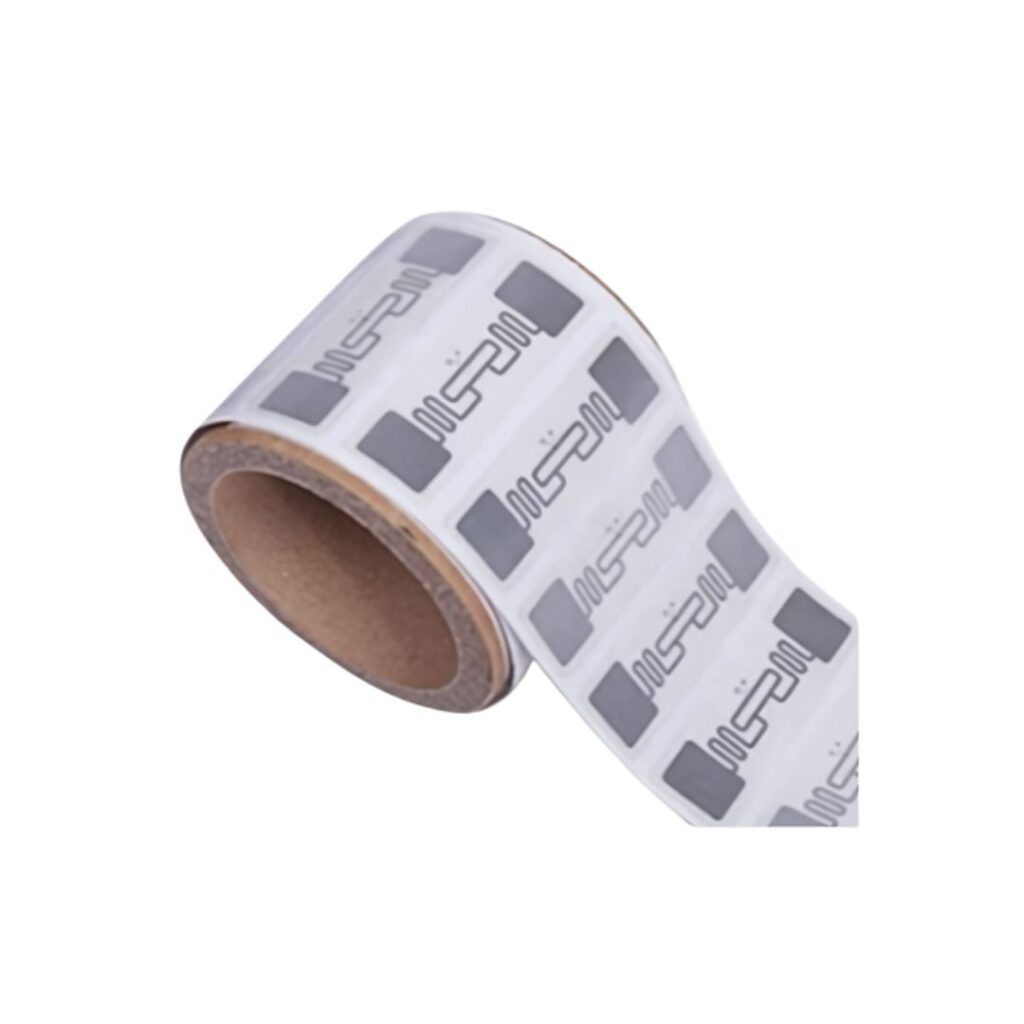
To understand why these are effective, we must look at the anatomy of an RFID tag. An “inlay” is the functional heart of an RFID label. It consists of an integrated circuit (the chip) and a printed or etched antenna, typically mounted on a plastic film (the carrier).
- Inlays with Label Surfaces: These are essentially wet inlays that have a plain white paper or synthetic face-sheet on top. This surface hides the antenna and allows for basic handwritten notes or small printed barcodes, though they lack the full real estate of a standard file folder label.
- RFID Wet Inlays: These are inlays that come with a clear adhesive backing. They look like small, transparent stickers where the metallic antenna is visible. They are called “wet” because of the adhesive, as opposed to “dry” inlays which have no glue.
When RFID Inlays Are the Right Choice
Choosing between color-coded labels and RFID wet inlays depends on the specific operational needs of the records center.
Existing Filing Systems
If an organization already uses a rigorous manual filing system, introducing a new color-coded system disrupts existing workflows. It also forces staff to undergo extensive retraining. RFID inlays allow the organization to keep their current visual standards while adding “digital intelligence” in the background.
Minimal-Change Deployment
For large-scale backfile conversions, applying a small wet inlay can be significantly faster than printing and precisely aligning a 10-inch wraparound color-coded label. In high-volume environments, this time savings equates to lower labor costs and faster project completion.
Label Surface vs. Non-Label Inlays
The choice between a clear wet inlay and one with a label surface is usually determined by where the tag is placed.
- Non-Label (Clear) Wet Inlays: These are perfect for application inside the folder or under an existing paper label. Because they are transparent and extremely thin, they are nearly invisible once applied.
- Label Surface Inlays: These are preferred when the inlay will be visible on the outside of the folder. The white surface allows a clerk to jot down a file number or date, ensuring that even if the digital system is not being accessed, the folder remains identifiable.
Antenna Size and Read-Range Performance
A common misconception in RFID document tracking is that all tags are created equal. In reality, the size and design of the RFID inlay antennas directly dictate how far away a scanner can “see” the file.
Impact of Size on Detection
Generally, a larger antenna can capture more energy from an RFID reader, resulting in a longer read range. However, file folders are thin and often stored in close proximity.
- Small Inlays (e.g., 30mm x 15mm): These are discreet but may require the handheld scanner to be closer to the shelf.
- Standard File Inlays (e.g., 70mm x 15mm): These are the “sweet spot” for RFID file tracking, providing enough surface area to be read from several feet away, even in a crowded room.
RFID Inlays for High-Density and Close-Proximity Files
One of the most significant challenges in records management RFID is “tag shadowing” or signal interference caused by high-density filing. When hundreds of folders are packed tightly together, the antennas can overlap, making it difficult for a reader to distinguish individual chips.
IoTFileTracker utilizes specialty inlays specifically tuned for high-density environments. These inlays feature “anti-collision” logic and antenna designs that minimize interference from neighboring tags. This ensures that when a records manager performs a shelf audit with a handheld scanner, the system captures 100% of the files, even if they are squeezed tightly on a mobile high-density shelving unit.
RFID Commissioning Explained: The Digital Link
Regardless of the physical format of the tag, no file tracking system can function without RFID commissioning. Commissioning is the process of creating a permanent association between a specific RFID chip’s unique ID and a specific record in your database.
Why Commissioning is Critical
An RFID inlay, out of the box, contains a factory-encoded string of numbers that has no relationship to your files. If you don’t commission the tag, the reader will see a “number,” but IoTFileTracker won’t know that the number represents “Case File #2024-001.”
How RFID Inlay Commissioning Works in IoTFileTracker
IoTFileTracker makes the commissioning process seamless and operationally practical. The workflow is designed for speed:
- Selection: The user selects the file record in the IoTFileTracker database.
- Detection: The inlay is placed on a USB-connected desktop RFID reader or scanned with a handheld device.
- Linkage: With one click, the software “commissions” the tag, locking that specific RFID ID to that file record.
- Verification: The system confirms the link, and the file is now ready for real-time location updates and audits.
Applying RFID Inlays to Files and Documents: Best Practices
For maximum durability and read performance, placement matters.
- Avoid Metal: Never place an RFID wet inlay directly over metal fasteners, staples, or foil-backed folders. Metal reflects RF energy and will “blind” the tag.
- Consistent Orientation: Apply inlays in the same position on every folder. This allows the reader’s signal to hit the antennas at the same angle, significantly improving the speed of a shelf audit.
- Protection: When using clear wet inlays, place them on the inside back cover of the folder to protect the antenna from friction during shelf access.
Operational Benefits of RFID Inlays
By integrating RFID inlays for file tracking with the IoTFileTracker platform, organizations realize several key benefits:
- Reduced Disruption: You don’t need to replace your folders or change your labeling standards.
- Accurate Location Updates: Fixed RFID gateways can track the movement of these inlays through doorways automatically.
- Improved Audits and Compliance: File tracking for compliance becomes a background process. Handheld audits that once took days now take minutes, providing a 100% accurate inventory of your records.
Industries That Benefit from RFID Sheeted Labels
Government and Public Records
High-volume archives use wet inlays to add tracking to historical documents without altering their physical appearance.
Healthcare Documents
Staff can tag patient charts and specialized medical folders internally with wet inlays, keeping folder exteriors clean for clinical notes.
Legal and Compliance Departments
Law firms place inlays on binder spines or inside evidence folders to track critical case files during discovery and trial.
Future of RFID Inlay-Based File Tracking
The future of records management is moving toward “invisible technology.” As RFID inlays become thinner and more sensitive, manufacturers will embed them directly into the paper stock during folder production.
With IoTFileTracker, the scalability of your system is limitless. Whether you are tracking 5,000 files in a single office or 5 million across a global enterprise, the combination of high-performance inlays and intelligent software provides the data-driven visibility needed for modern governance.
Conclusion
RFID wet inlays and label-surface inlays provide the ultimate flexibility for organizations that need a powerful file tracking system without a visual overhaul. They are the “silent workers” of the records management world—discreet, durable, and highly effective.
By choosing TrackerIoT and the IoTFileTracker platform, you invest in a solution that masters RFID commissioning. It also masters high-density tracking. We turn your physical archives into a transparent, searchable, and fully compliant digital resource.